There Was a Crooked Man
The classic rhyme of a crooked man, his crooked cat and their crooked house
Listen
Arrangement: Ian J. Watts / Mike Wilbury · Singalongasong Band / ClassicRocks
Lyrics
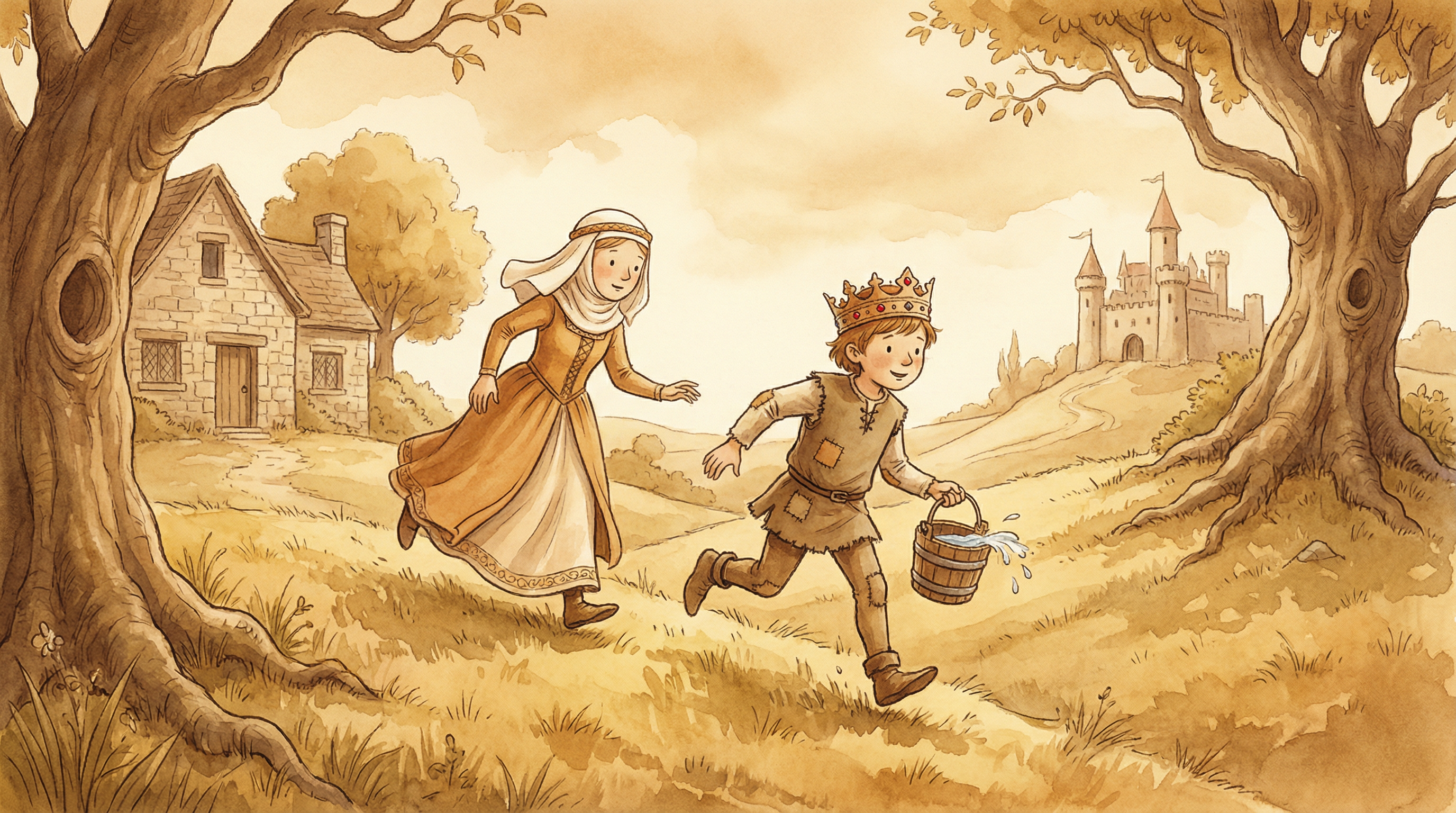
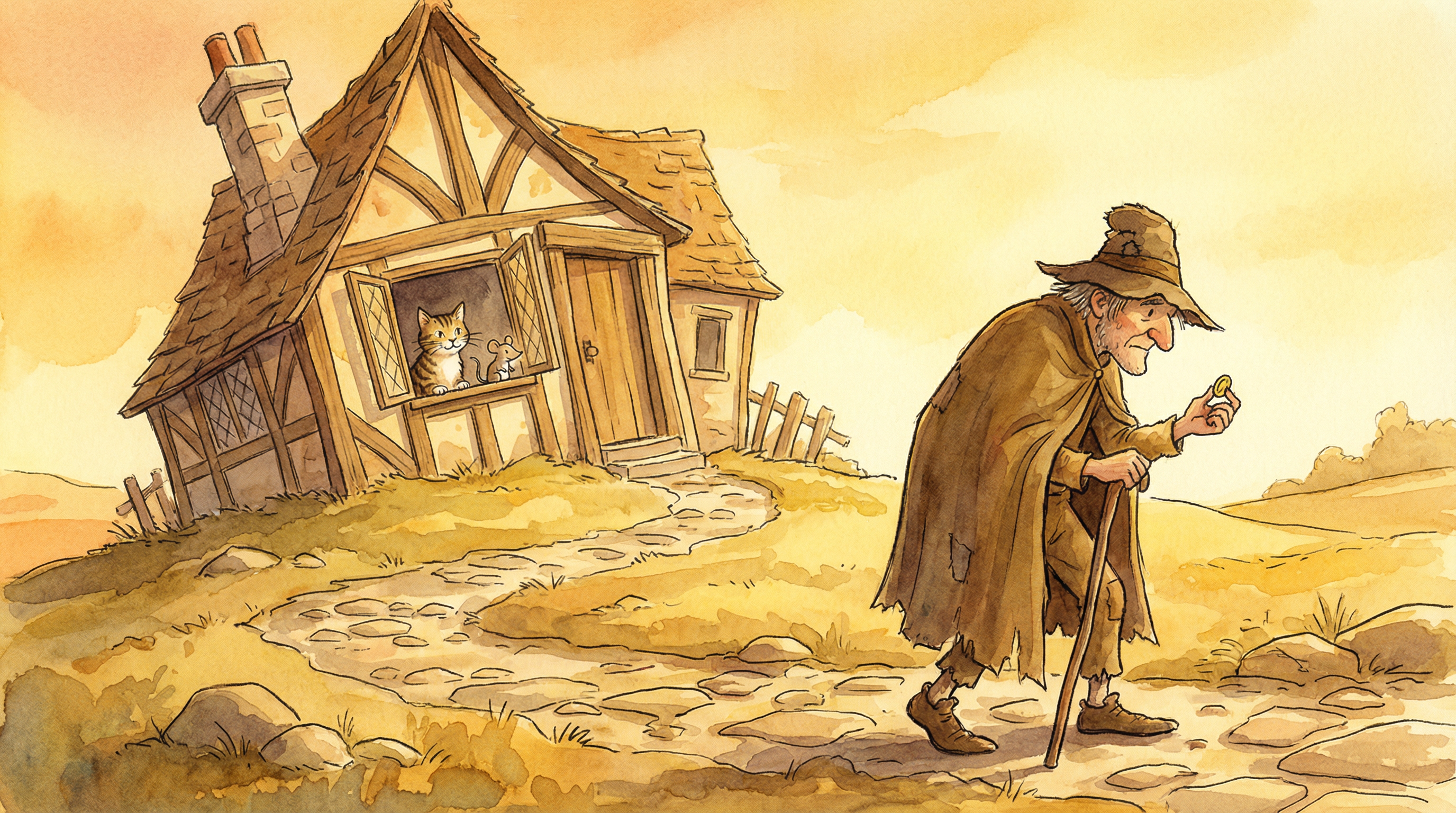
There was a crooked man, and he walked a crooked mile,
He found a crooked sixpence against a crooked stile.
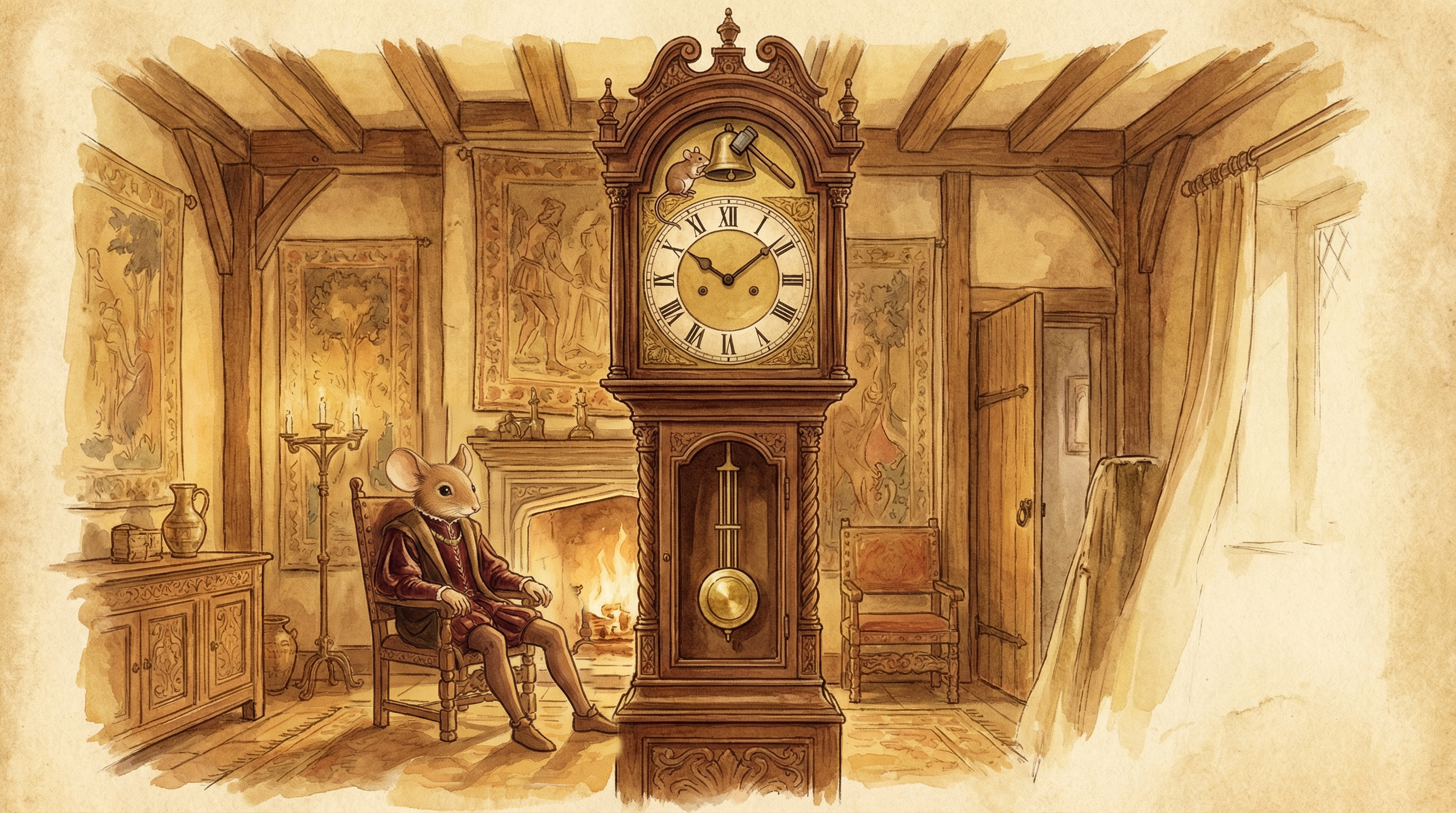
He bought a crooked cat, which caught a crooked mouse,
And they all lived together in a little crooked house.
There was a crooked dog, who barked a crooked bark,
That went for a walk in a little crooked park.
He chased that crooked cat, who chased that crooked mouse,
And they all stopped for tea in a little crooked house.
There was a crooked kettle, upon a crooked stove,
There was some crooked bread that came from a crooked loaf.
They ate some crooked brie and drank some crooked tea,
And they all sat together on a crooked settee.
There was a crooked man, and he walked a crooked mile,
He found a crooked sixpence against a crooked stile.
He bought a crooked cat, which caught a crooked mouse,
And they all lived together in a little crooked house.
Traditional lyrics — public domain. Arrangement © Singalongasong Band / ClassicRocks.
History & Background
History & Origin
"There Was a Crooked Man" is an English nursery rhyme first recorded in print in 1842, collected by James Orchard Halliwell. The original single verse — the crooked man, his crooked mile, his sixpence, his cat and his mouse — is the one most people know. This recording extends that original with additional verses that expand the story: a crooked dog joins the household, a crooked kettle sits on a crooked stove, and the whole unlikely company sits down together for crooked tea and brie.
Some scholars have suggested political origins for the rhyme, pointing to the reign of Charles I of England and a possible connection to the border between England and Scotland, but the evidence is thin and the interpretations speculative. More likely, the rhyme is simply a piece of comic nonsense in which the repetition of the word "crooked" — applied with increasing absurdity to everything in sight — was the point.
The song's satisfying rhythm and the warmth of the image — all these odd creatures living happily together in their imperfect little house — give it an enduring appeal.