Listen
Arrangement: Ian J. Watts / Mike Wilbury · Singalongasong Band / ClassicRocks
Lyrics
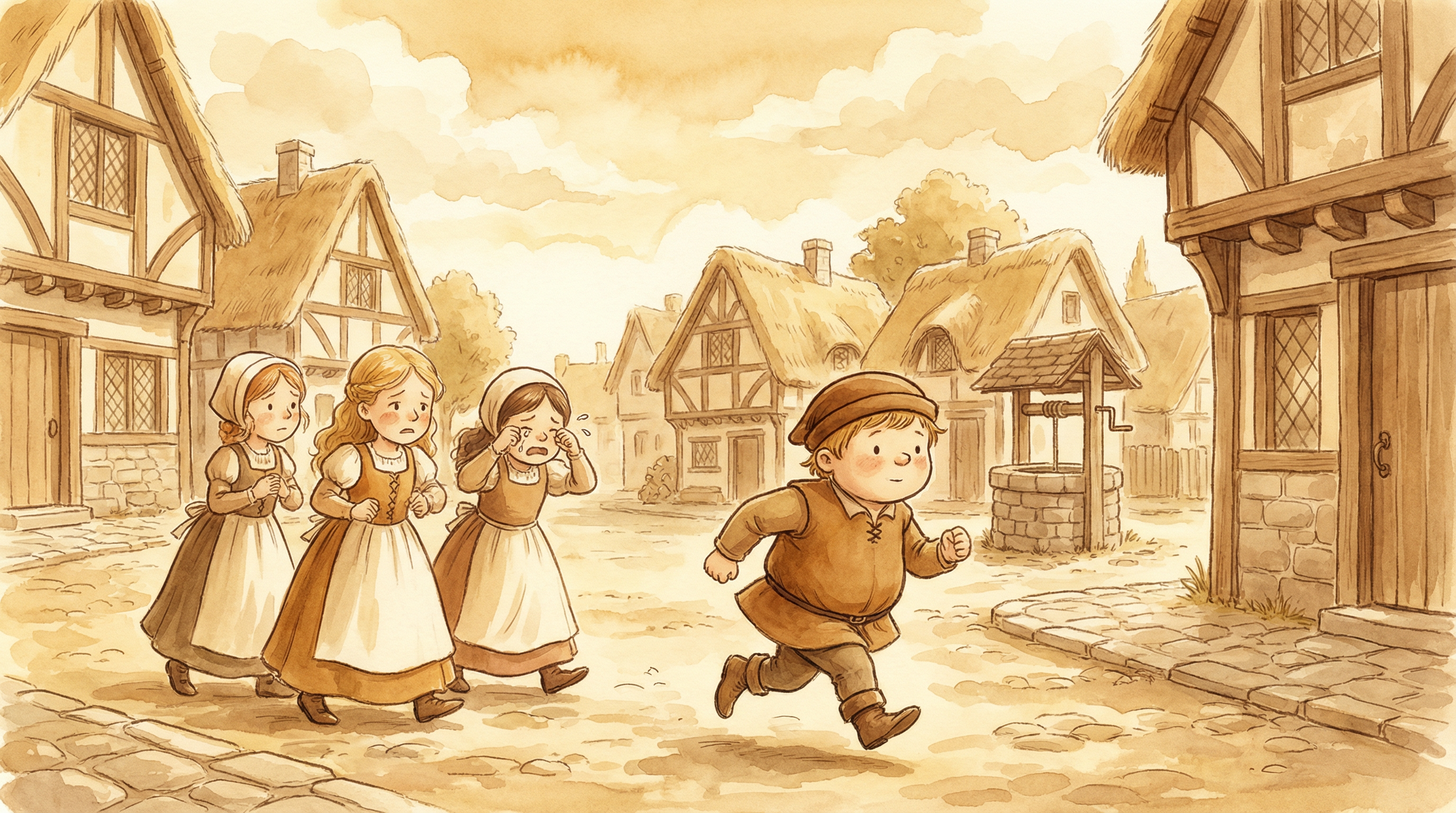
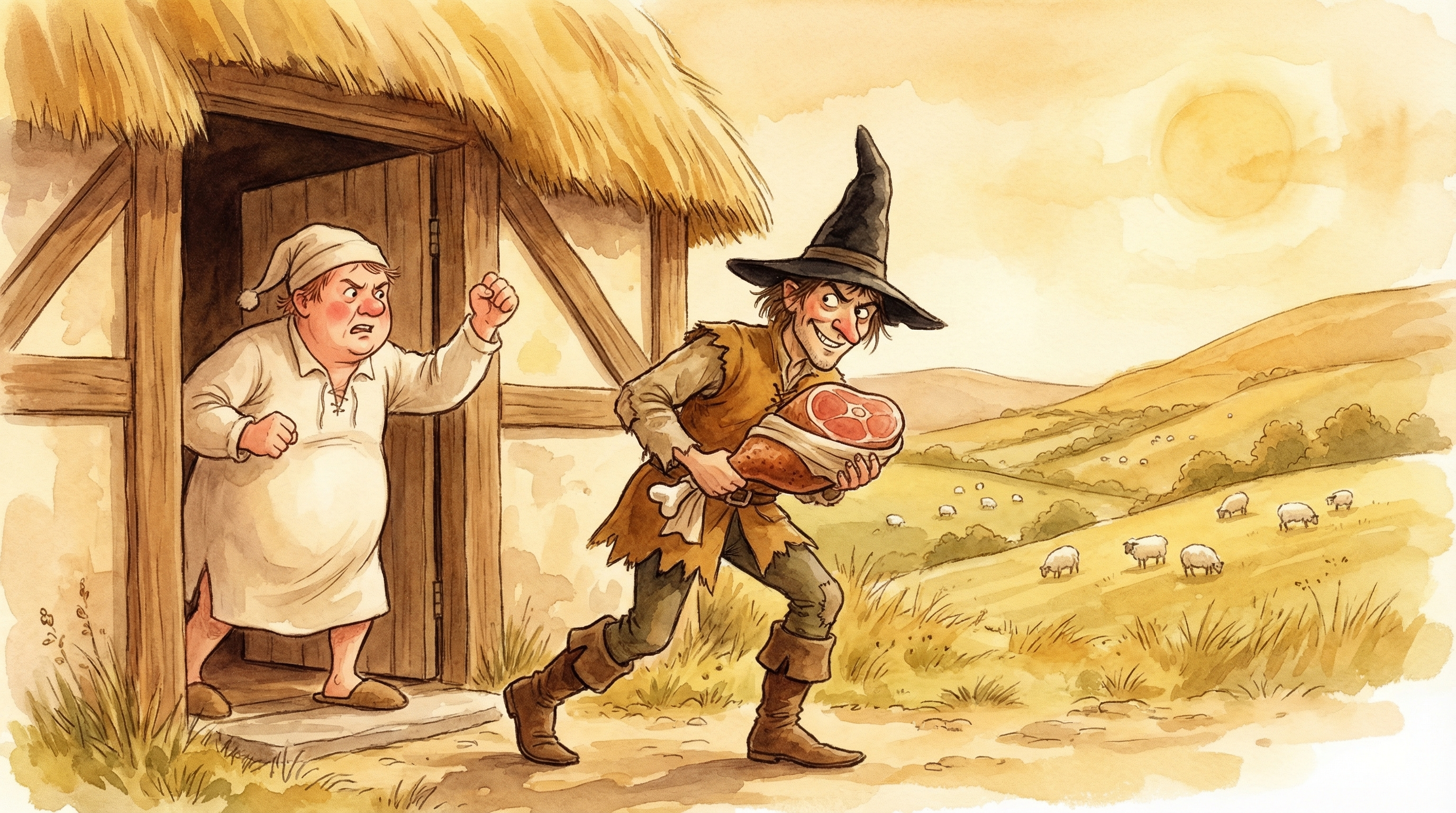
Taffy was a Welshman, Taffy was a thief,
Taffy came to my house and stole a piece of beef.
I went to Taffy's house, Taffy was not home,
Taffy came to my house and stole a marrow bone.
Taffy was a Welshman, Taffy was a thief,
Taffy came to my house and stole a piece of beef.
I went to Taffy's house, Taffy was not home,
Taffy came to my house and stole a marrow bone.
Traditional lyrics — public domain. Arrangement © Singalongasong Band / ClassicRocks.
History & Background
History & Origin
"Taffy Was a Welshman" is a traditional English nursery rhyme with a long and contentious history. It was first printed in 1784 but is almost certainly older. The name "Taffy" is a traditional English nickname for Welsh people, derived from a rendering of the Welsh name Dafydd (David), Wales's patron saint.
The rhyme accuses Taffy of theft — first a piece of beef, then a marrow bone — and the narrator retaliates in kind. It represents a strand of cross-border English-Welsh humour and rivalry that was common in the eighteenth century, when such rhymes were used to characterise and mock neighbouring peoples.
The rhyme has been criticised for perpetuating negative stereotypes of Welsh people, and it remains a point of contention. In Wales it is generally regarded as an offensive caricature; in England it is often treated as innocent nursery rhyme. This disagreement reflects genuine tensions about what we choose to teach children and what historical attitudes we carry forward in the language we give them.
"Taffy" as a nickname for Welsh people has largely fallen from polite use. The rhyme survives in the children's canon as much as a historical document — evidence of how nations used to talk about their neighbours in song — as an entertainment.