Listen
Arrangement: Ian J. Watts / Mike Wilbury · Singalongasong Band / ClassicRocks
Lyrics
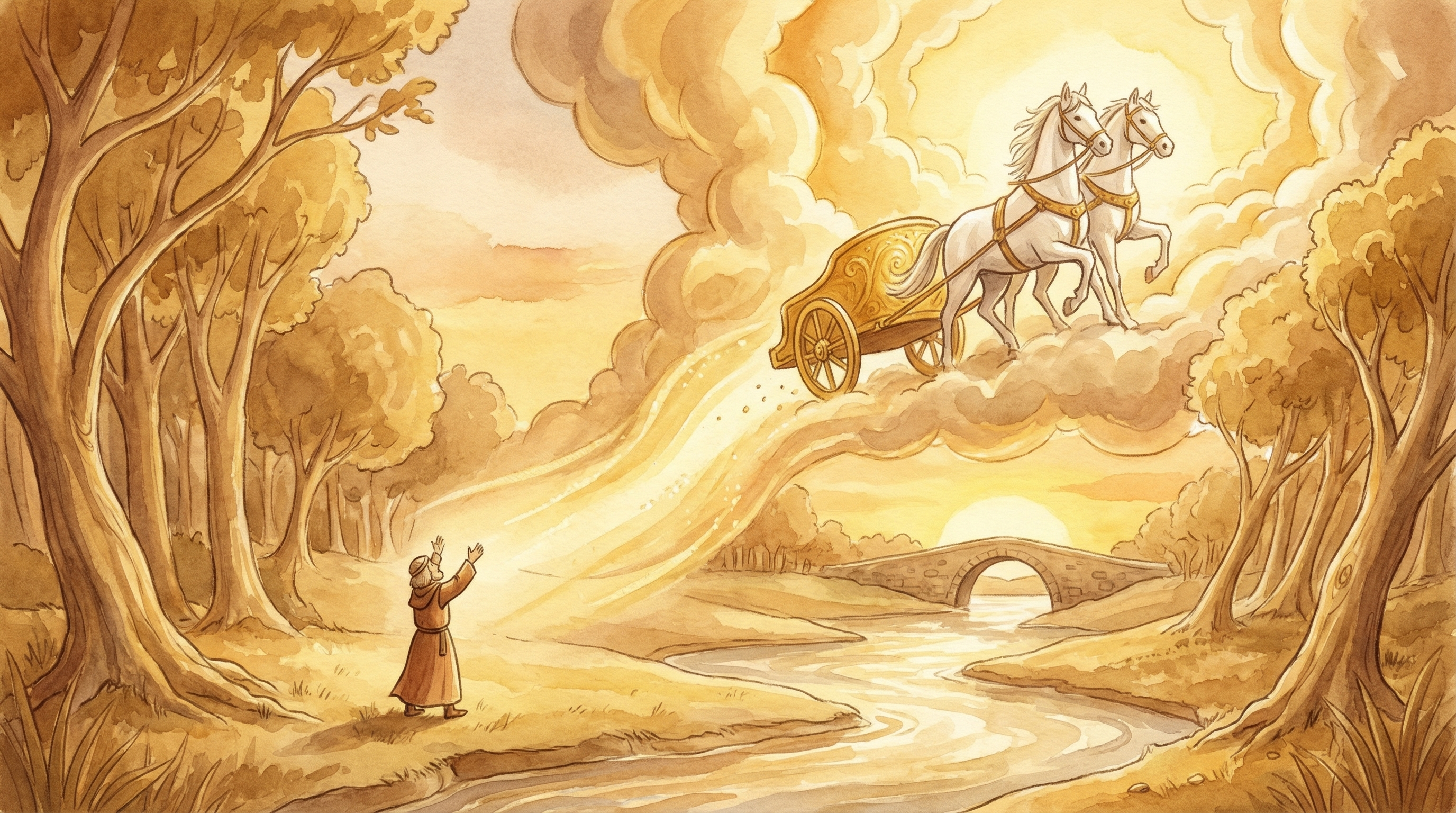
Swing low, sweet chariot,
Coming for to carry me home.
Swing low, sweet chariot,
Coming for to carry me home.
When I looked over Jordan, and what did I see,
Coming for to carry me home,
A band of angels coming after me,
Coming for to carry me home.
Swing low, sweet chariot,
Coming for to carry me home.
Swing low, sweet chariot,
Coming for to carry me home.
Sometimes I'm up, and sometimes I'm down,
Coming for to carry me home,
But still my soul feels heavenly bound,
Coming for to carry me home.
Swing low, sweet chariot,
Coming for to carry me home.
Swing low, sweet chariot,
Coming for to carry me home.
The brightest day that I can say,
Coming for to carry me home,
When Jesus washed my sins away,
Coming for to carry me home.
Swing low, sweet chariot,
Coming for to carry me home.
Swing low, sweet chariot,
Coming for to carry me home.
If I get there before you do,
Coming for to carry me home,
I'll cut a hole and pull you through,
Coming for to carry me home.
Swing low, sweet chariot,
Coming for to carry me home.
Swing low, sweet chariot,
Coming for to carry me home.
Traditional lyrics — public domain. Arrangement © Singalongasong Band / ClassicRocks.
History & Background
History & Origin
"Swing Low, Sweet Chariot" is a traditional African American spiritual, one of the most famous and beloved in the repertoire. It was written in the nineteenth century and is attributed to Wallis Willis, a Choctaw freedman in the Indian Territory (now Oklahoma), who is said to have been inspired by the Red River, which reminded him of the Jordan River. It was popularised by the Jubilee Singers of Fisk University, who toured the United States and Europe from 1871 onwards.
The chariot of the title refers to the biblical story of the prophet Elijah, who was taken to heaven in a chariot of fire. In the spiritual tradition, the chariot became a symbol of liberation and passage to a better life — in the immediate context of American slavery, a powerful image of freedom and deliverance. The Jordan River, similarly, represented the crossing from bondage to freedom.
In England, the song has become inseparably associated with the England national rugby union team, whose supporters began singing it in the 1980s and have continued ever since. This association has given the song a second life in British popular culture, though it remains first and foremost a profound piece of the African American spiritual tradition.
Our recording honours the depth and beauty of the original.