Listen
Arrangement: Ian J. Watts / Mike Wilbury · Singalongasong Band / ClassicRocks
Lyrics
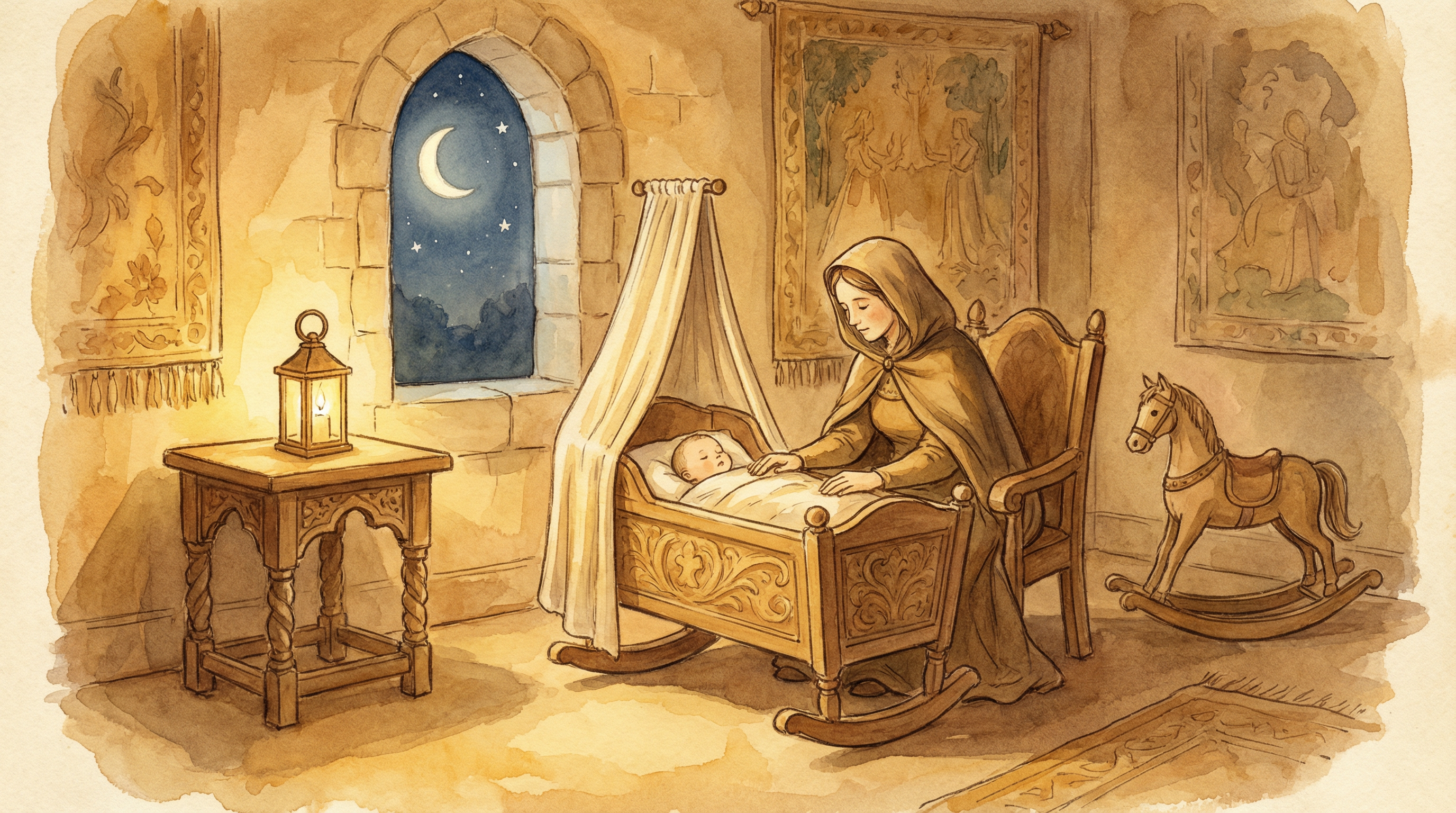
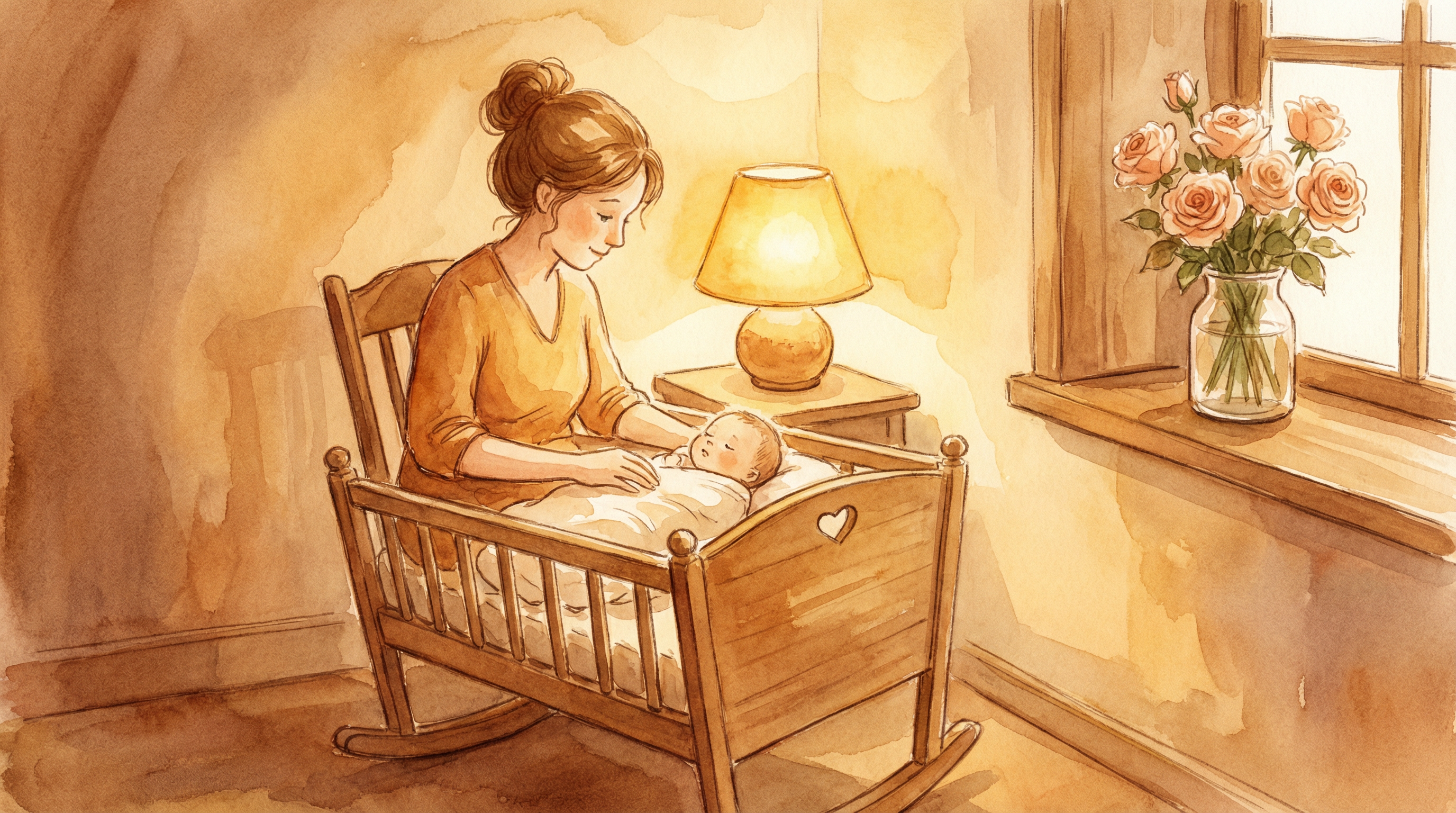
Sleep, little child, go to sleep,
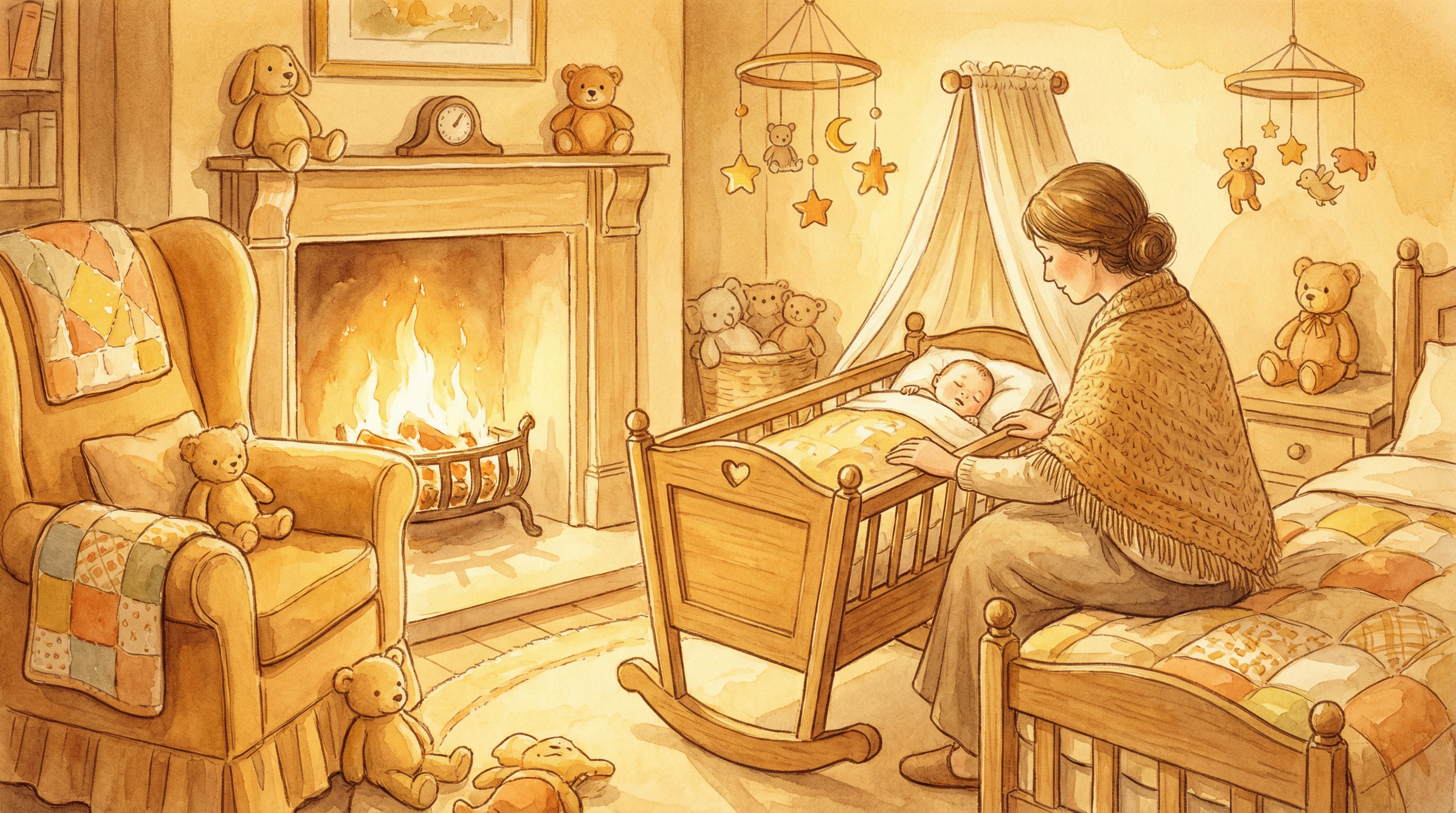
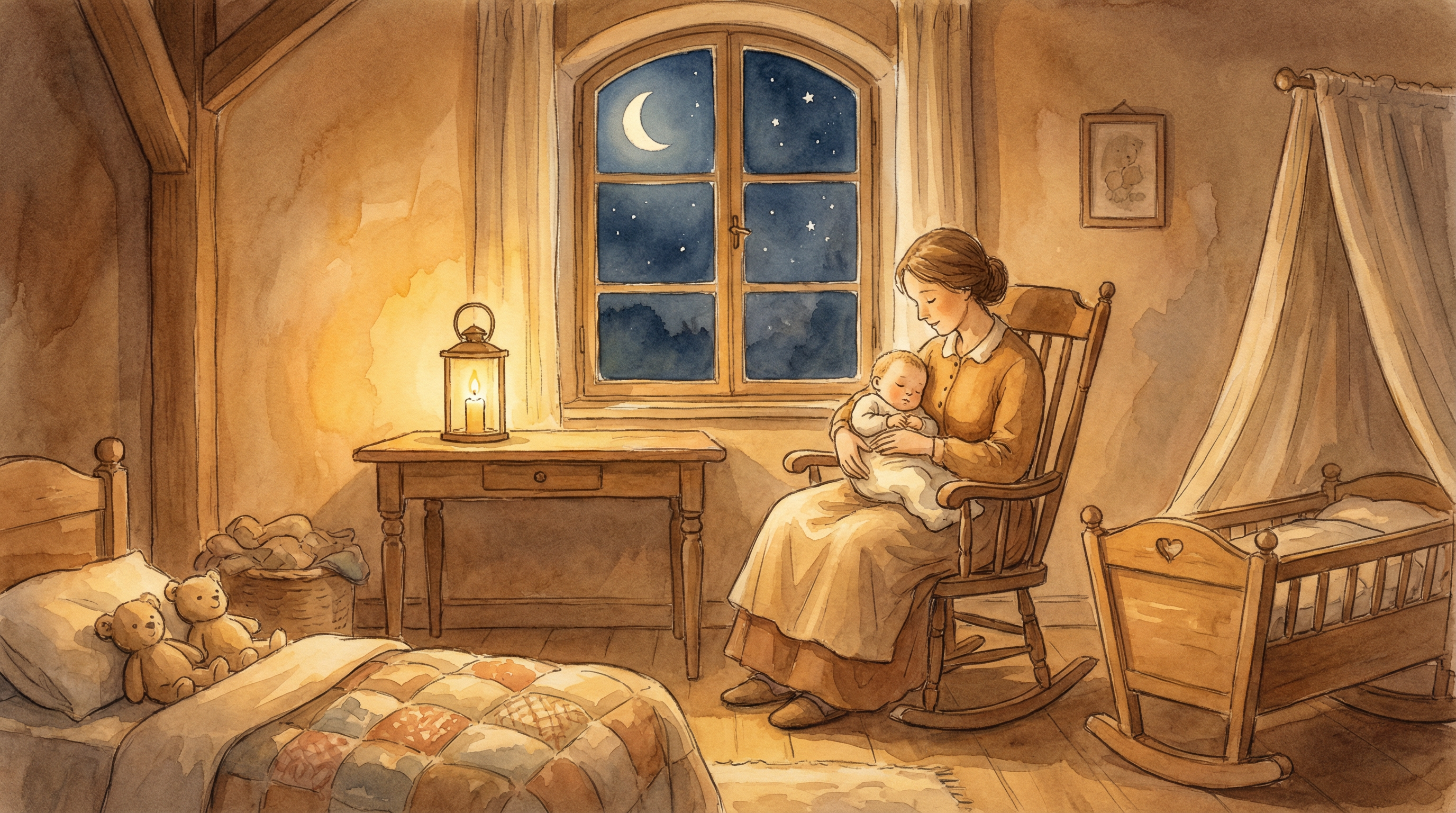
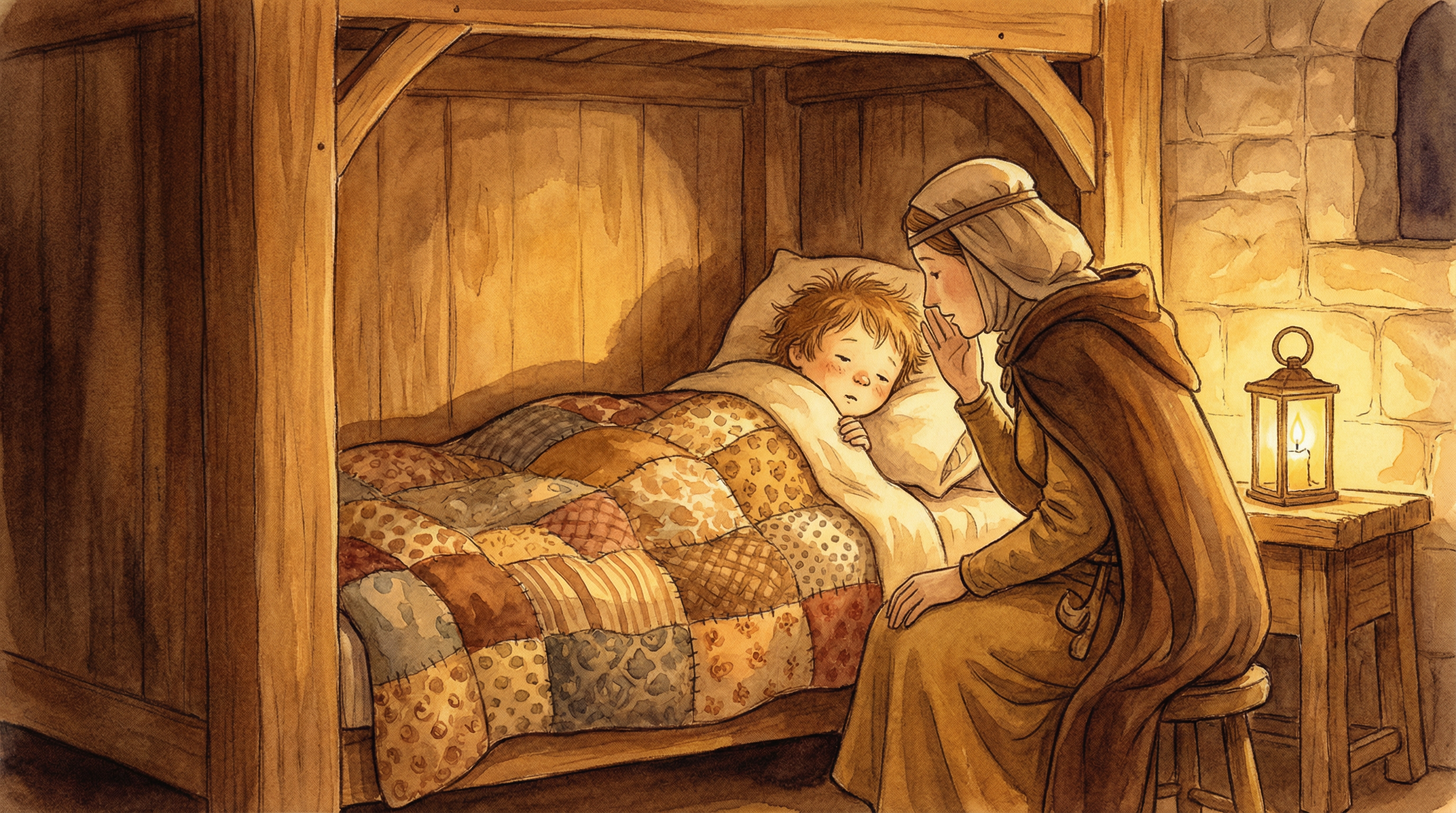
Mother is here by thy bed,
Sleep, little child, go to sleep,
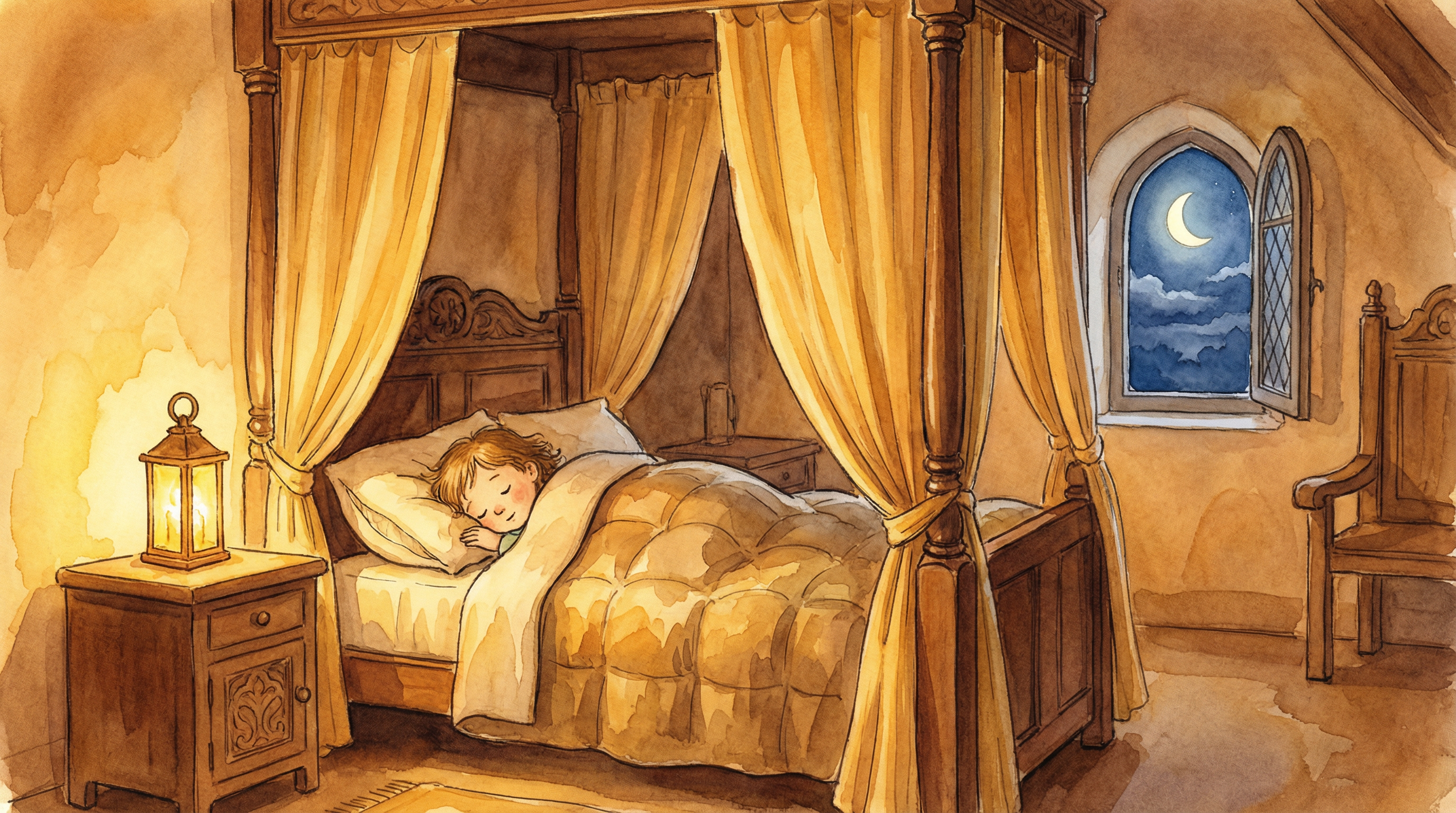
Rest on thy pillow thy head.
The world is silent and still,
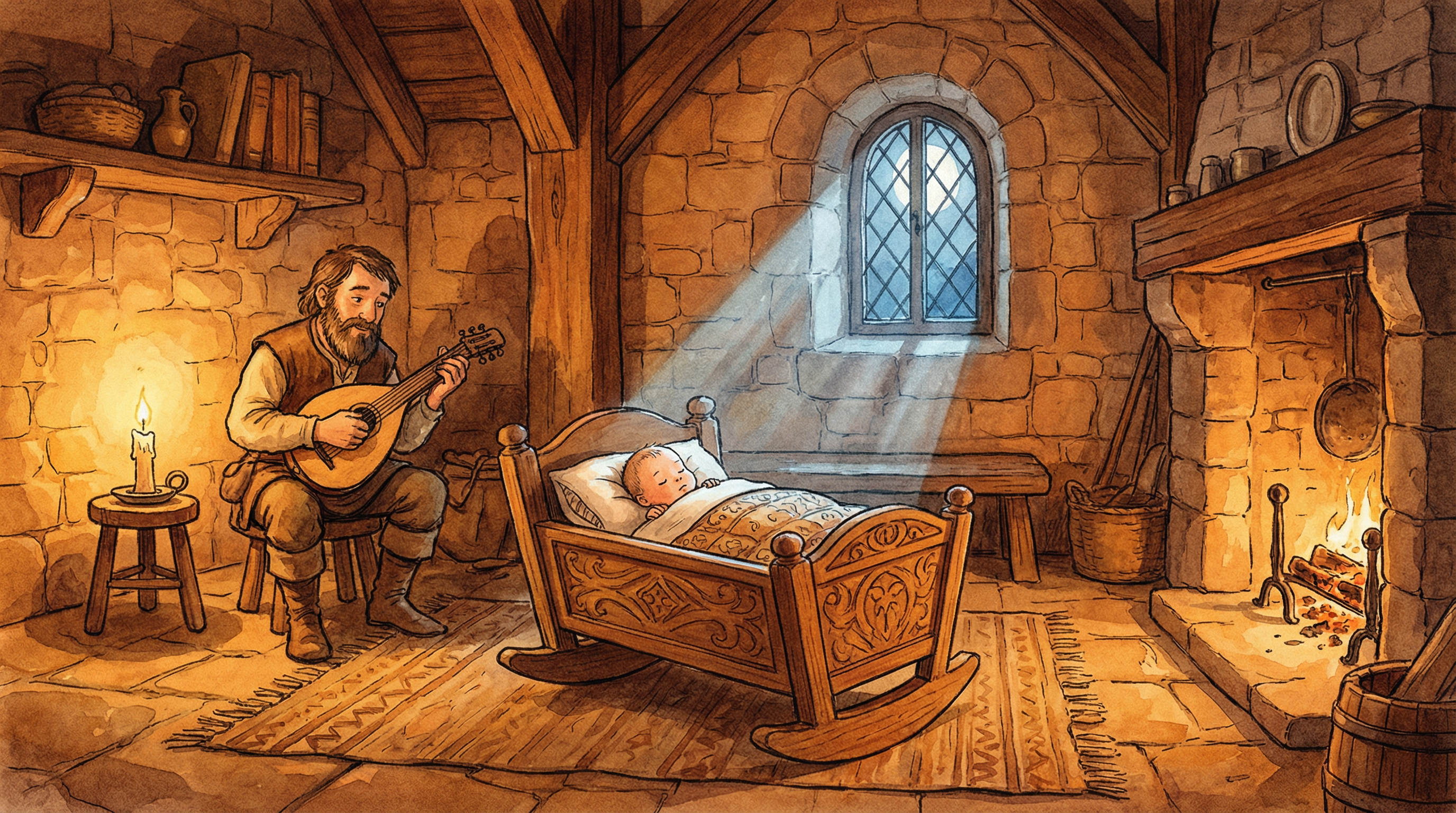
The moon shines bright on the hill,
And creeps past thy window sill,
Sleep, little child, go to sleep.
Sleep, little child, go to sleep,
Mother is here by thy bed,
Sleep, little child, go to sleep,
Rest on thy pillow thy head.
The world is silent and still,
The moon shines bright on the hill,
And creeps past thy window sill,
Sleep, little child, go to sleep.
Traditional lyrics — public domain. Arrangement © Singalongasong Band / ClassicRocks.
History & Background
History & Origin
"Sleep, Little Child, Go to Sleep" is a traditional lullaby whose precise origins are uncertain, though its imagery and structure place it firmly in the nineteenth-century lullaby tradition. It belongs to a family of cradle songs in which the sleeping world itself becomes a reason for the child to rest: the moon shines but moves quietly; the world is silent; even the light from outside is gentle and creeping.
The lullaby gives the child two reasons to sleep: the presence of mother at the bedside, and the reassuring stillness of the world outside the window. Both are forms of safety. The moon crossing the window sill is the only movement in the verse, and it is slow and unhurried — the world is not busy tonight; there is nothing to stay awake for.
"Thy pillow" and "thy bed" give the verse a slightly formal quality that is common in lullabies of this period, lending a sense of gentle ceremony to the bedtime routine. The simplicity of the verse — two lines of address, one reason, one final instruction — makes it easy to sing quietly and repeatedly, which is exactly what a lullaby requires.