Oh, Hush Thee, My Baby
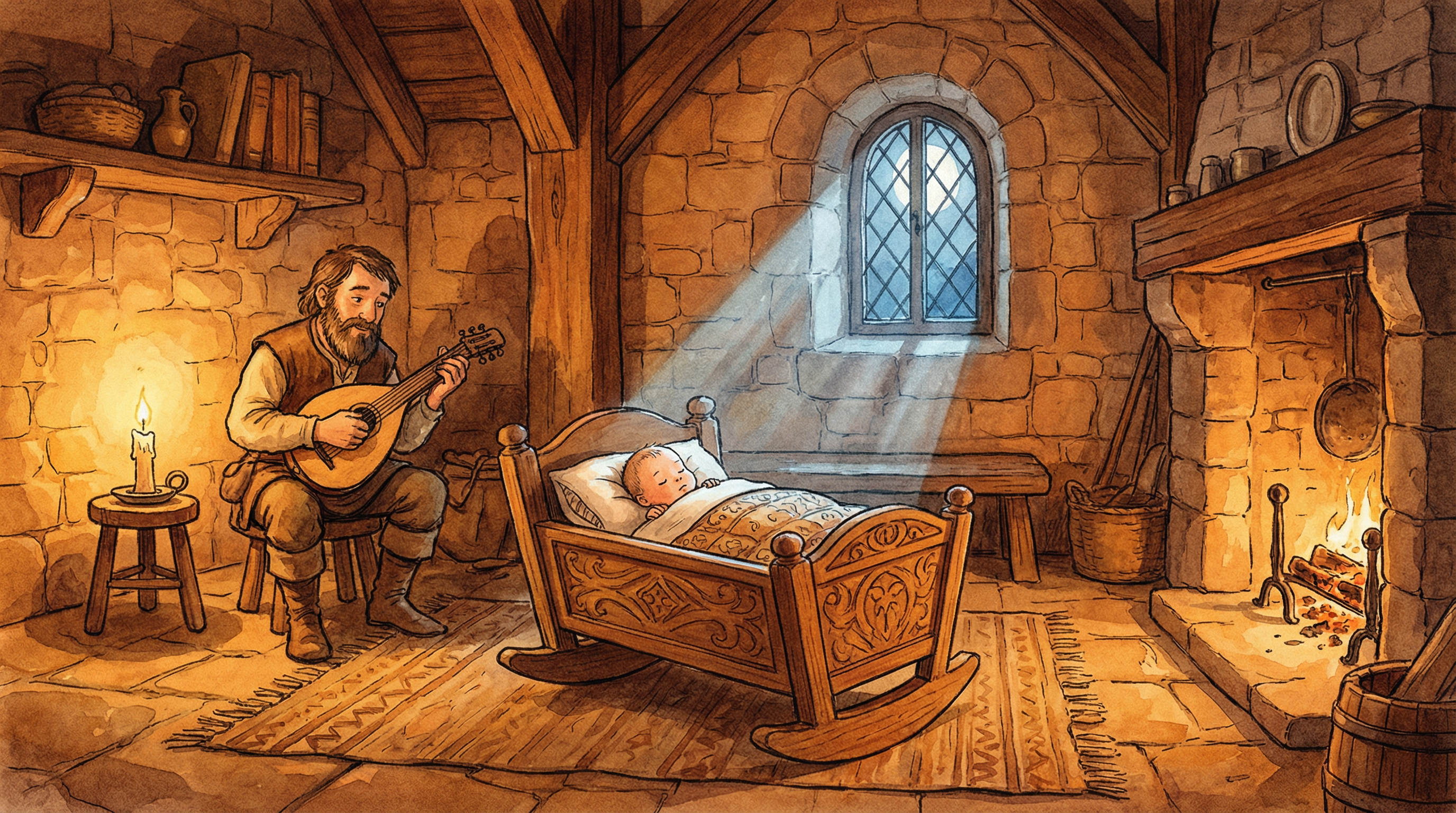
A knightly lullaby — guards stand watch while the young heir sleeps safe
Listen
Arrangement: Ian J. Watts / Mike Wilbury · Singalongasong Band / ClassicRocks
Lyrics
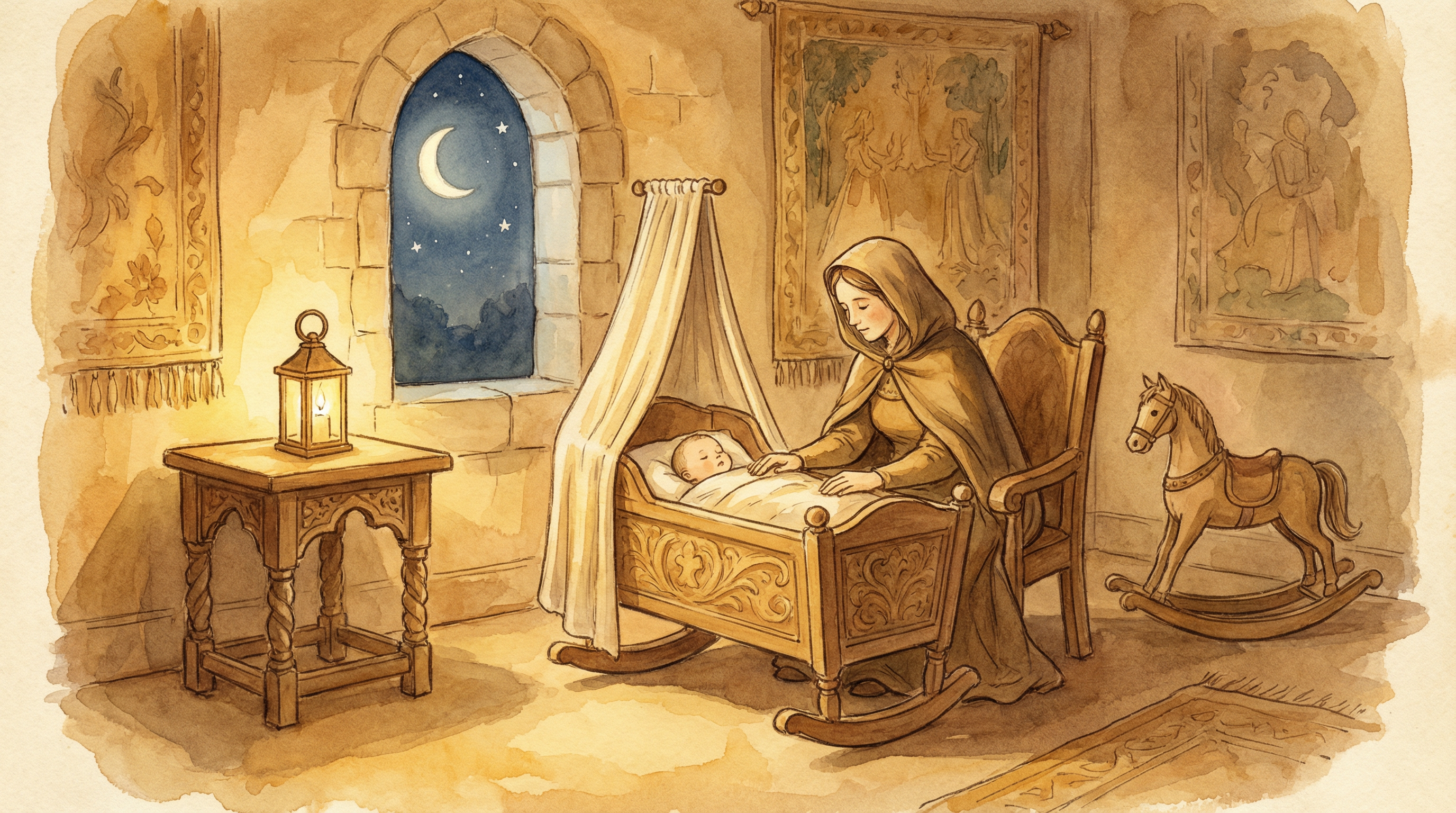
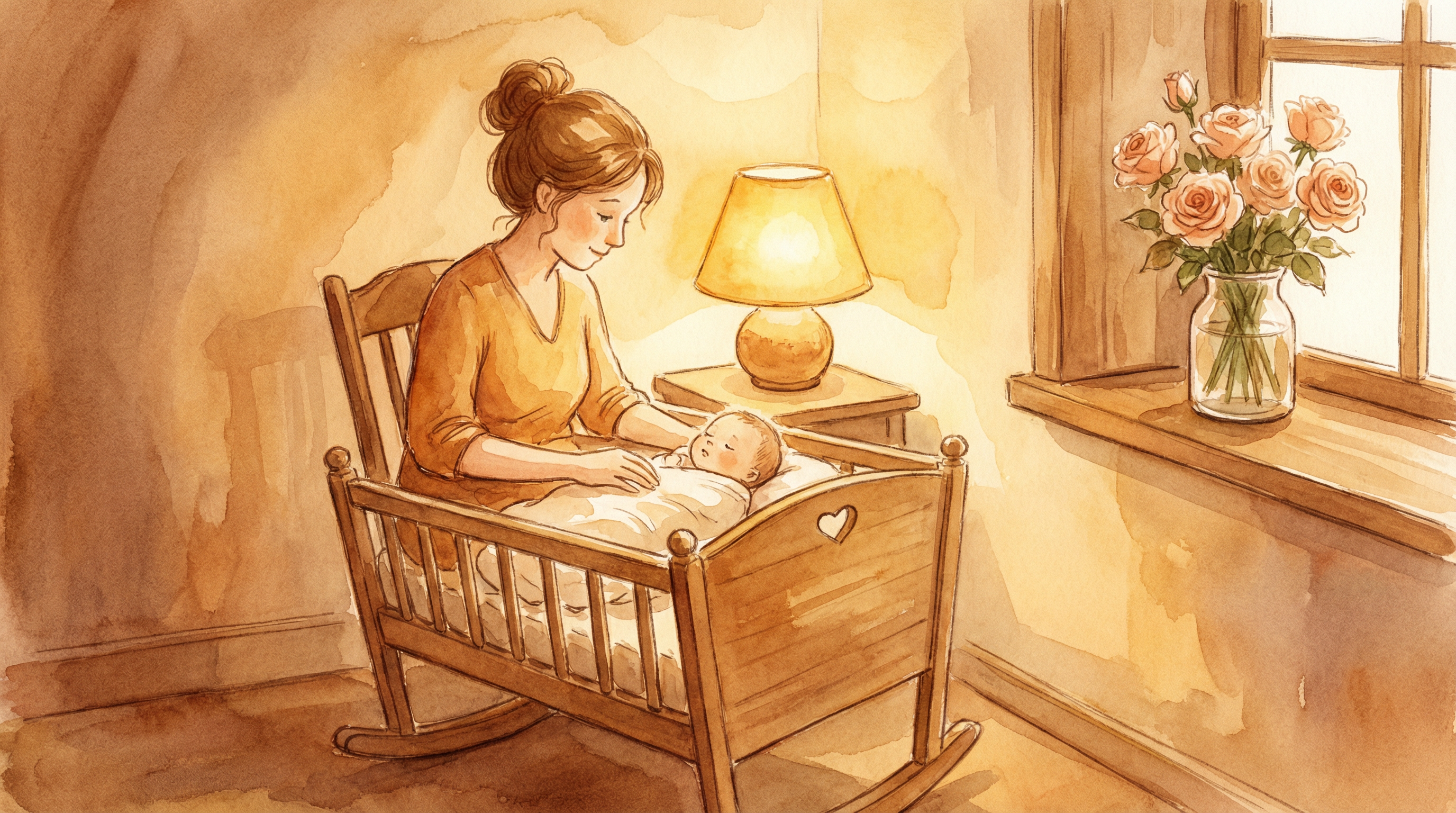
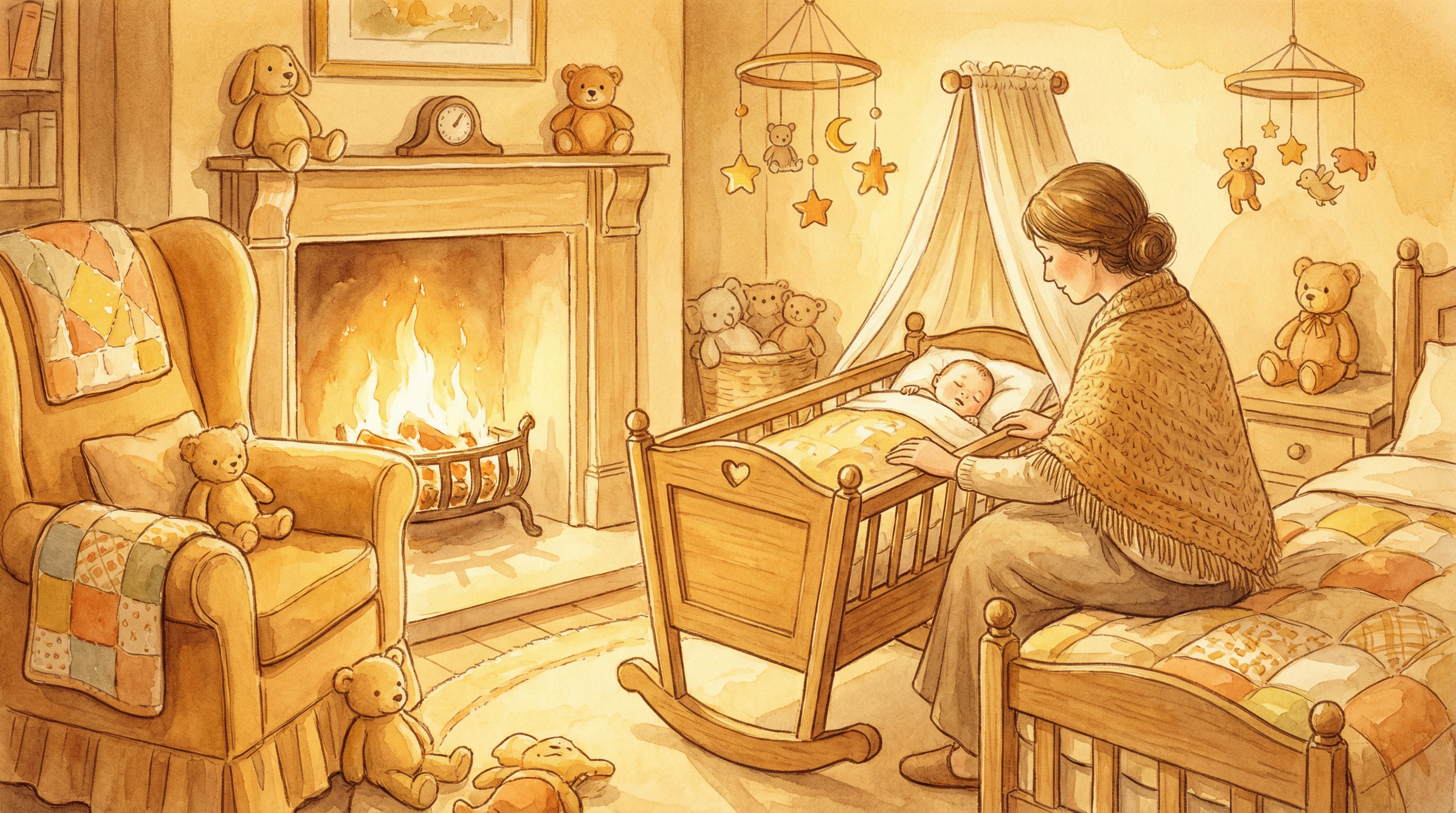
Oh, hush thee, my baby, thy sire is a knight,
Thy mother a lady, both lovely and bright.
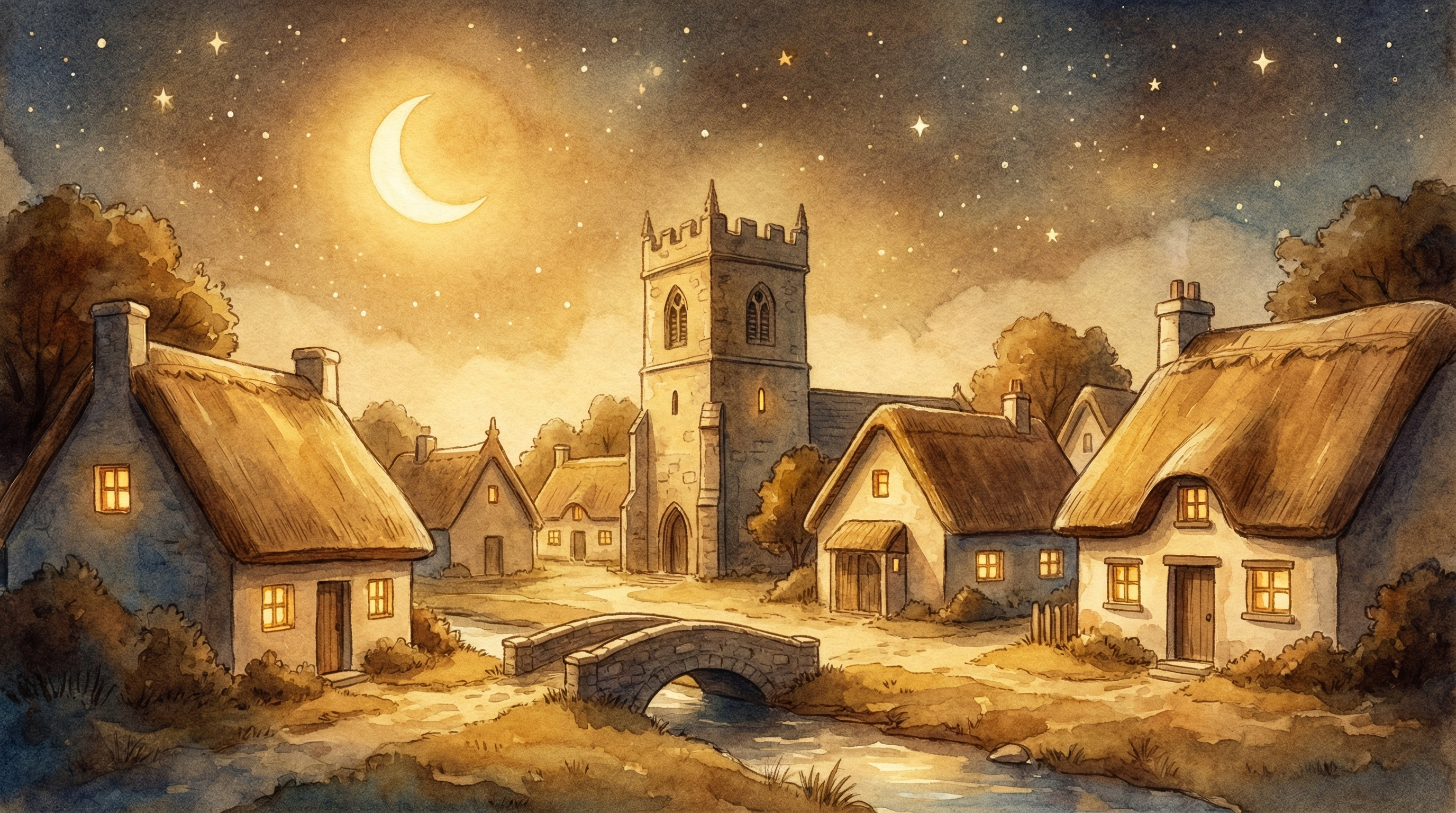
The woods and the glens from the tower which we see,
They all are belonging, dear baby, to thee.
Oh, fear not the bugle though loudly it blows,
It calls but the wardens that guard thy repose.
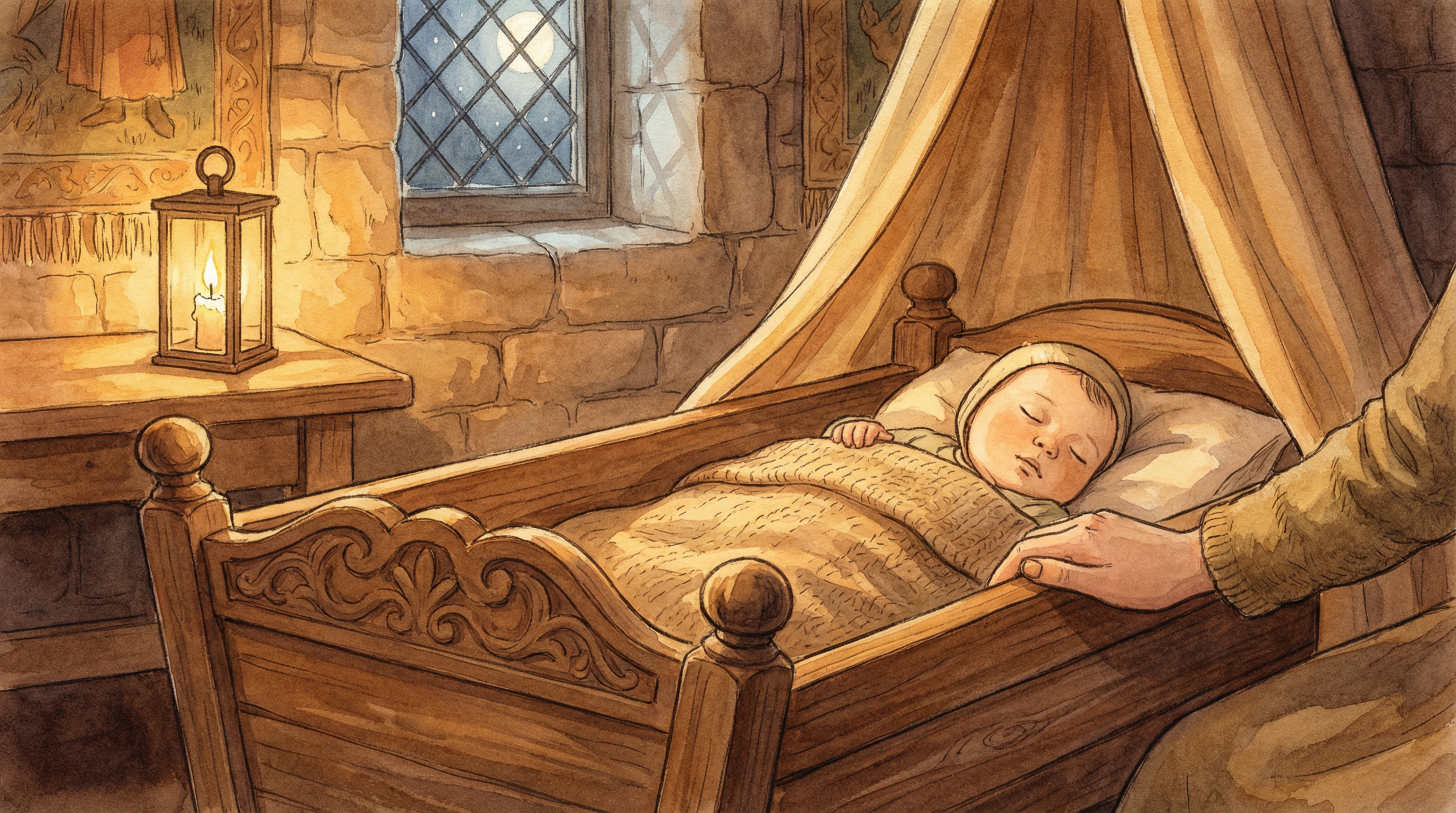
Their bows would be bended, their blades would be red,
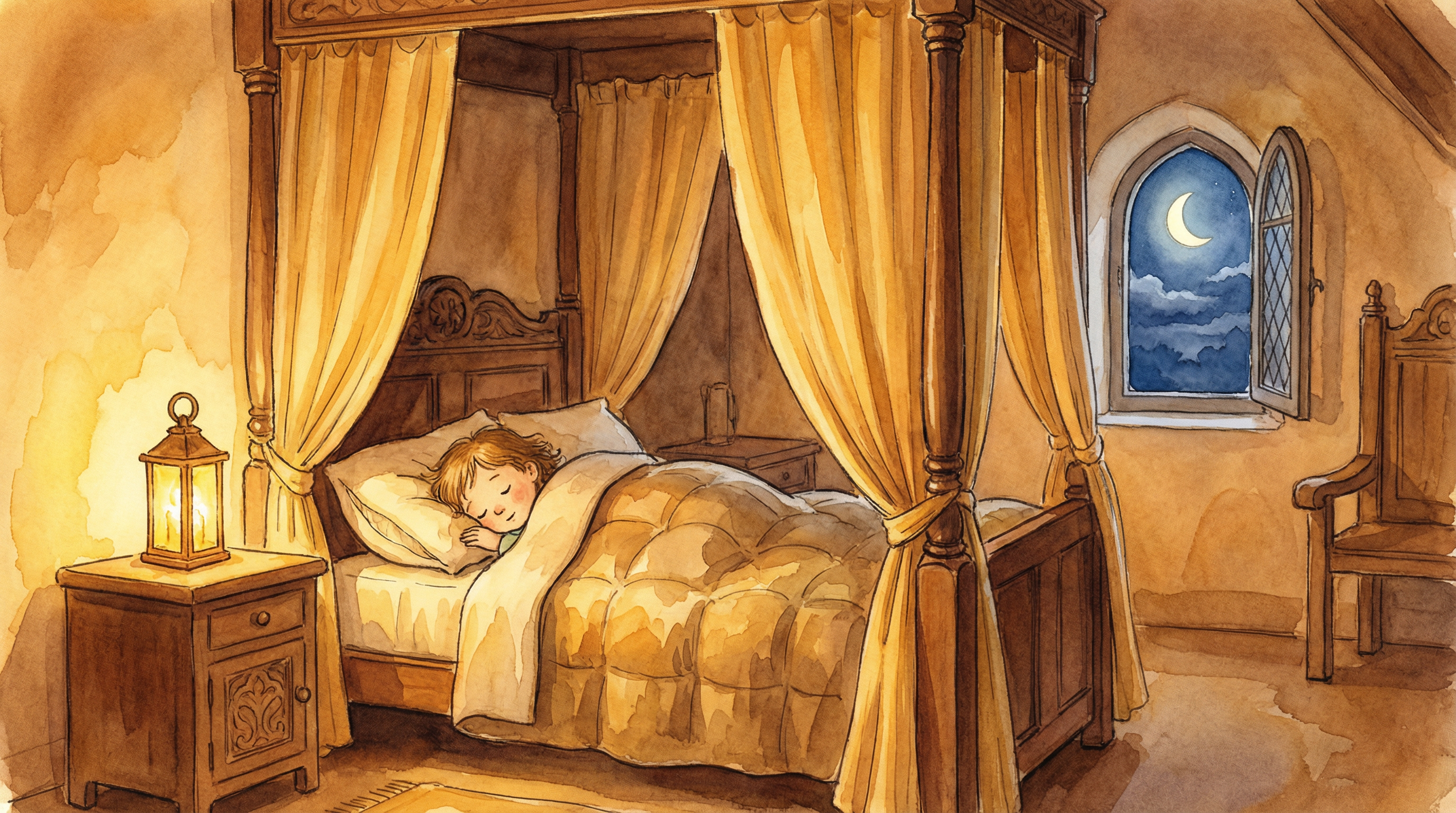
Ere the steps of a foeman drew near to thy bed.
Oh, hush thee, my baby, the time will soon come
When thy sleep shall be broken by trumpet and drum.
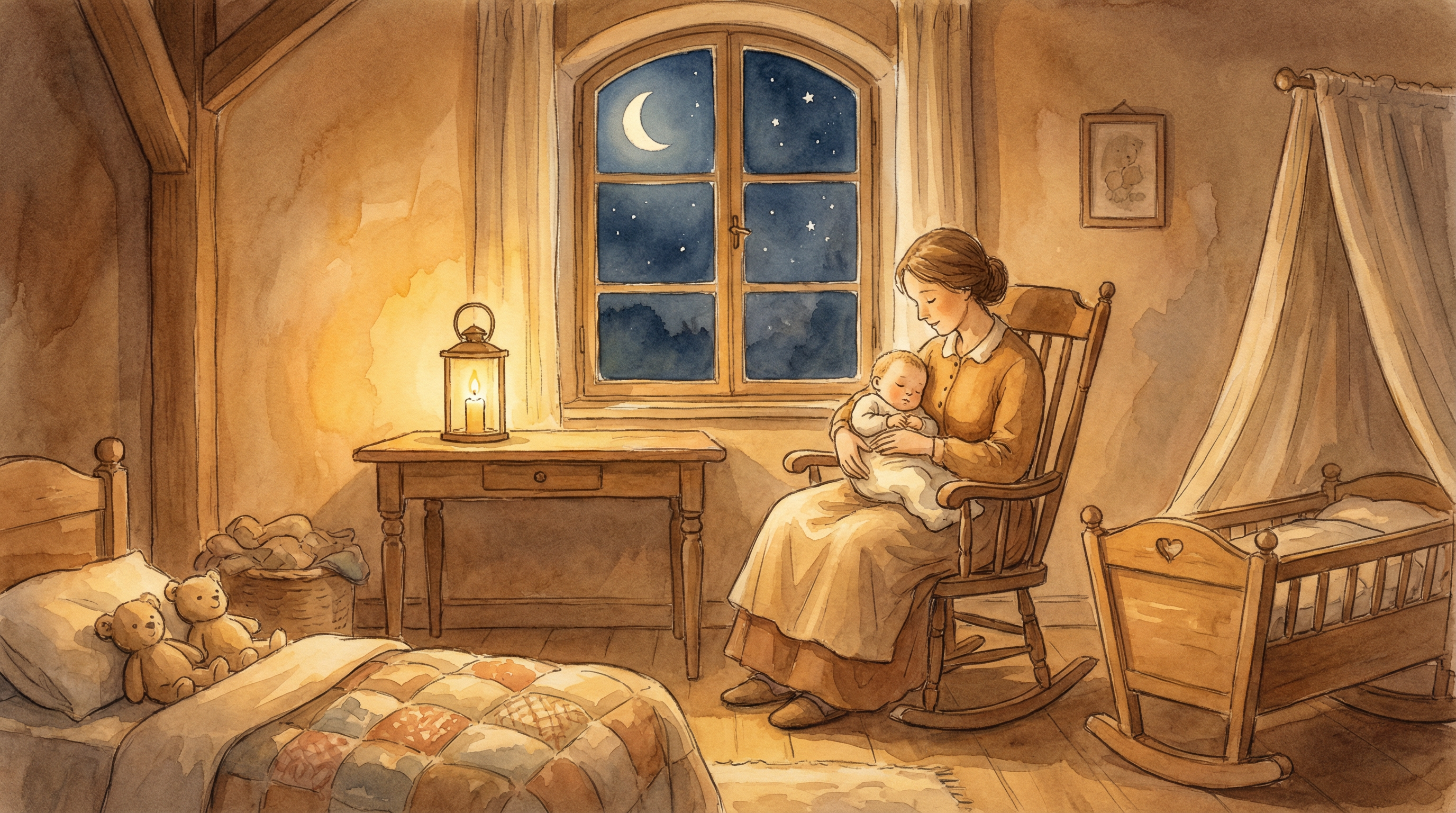
Then hush thee, my darling, take rest while you may,
For strife comes with manhood and waking with day.
Traditional lyrics — public domain. Arrangement © Singalongasong Band / ClassicRocks.
History & Background
History & Origin
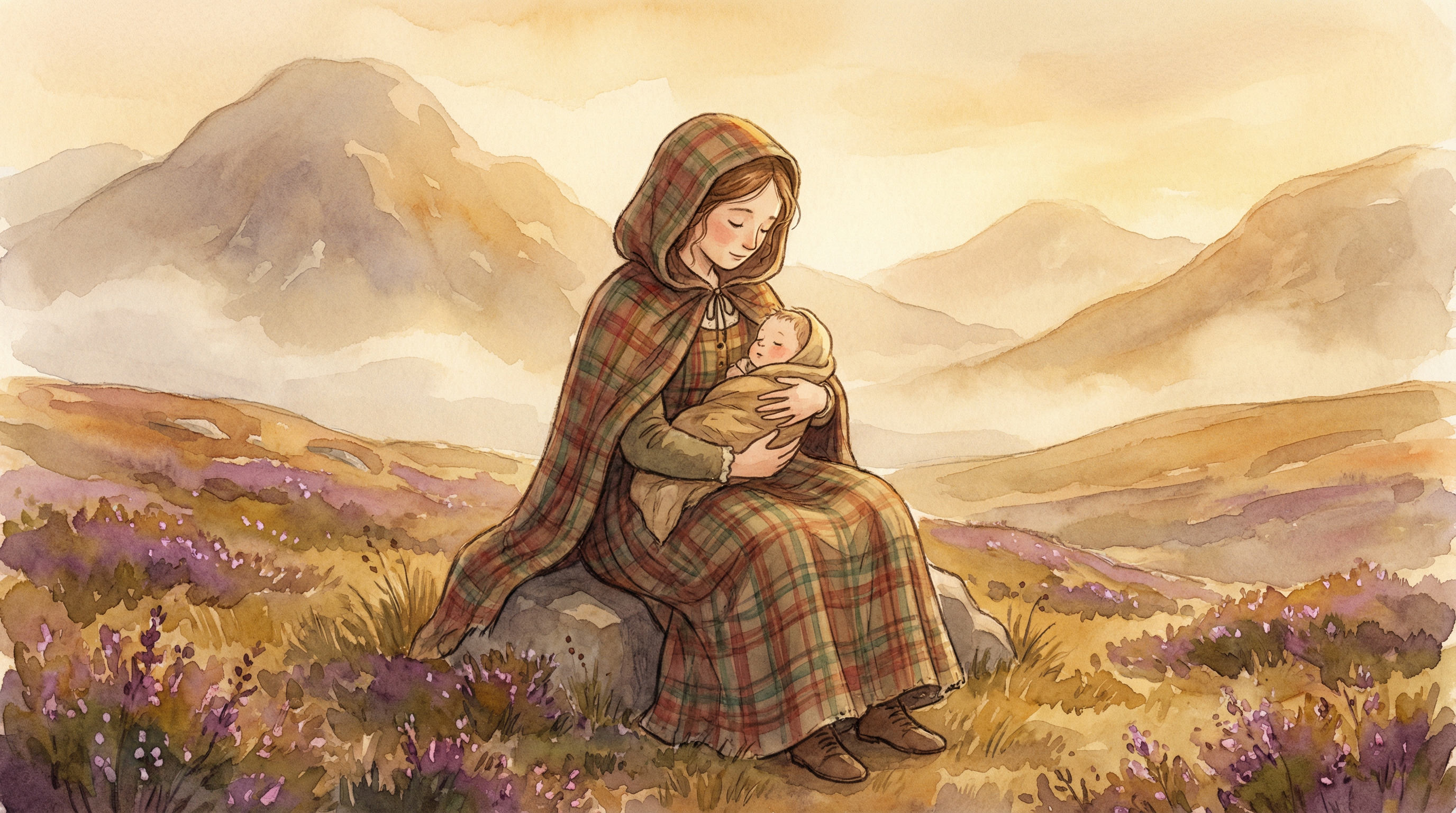
"Oh, Hush Thee, My Baby" is a lullaby taken from Sir Walter Scott's long narrative poem The Lady of the Lake (1810), one of the most popular poems of the nineteenth century. In the poem, it is sung by Ellen Douglas to her father Allan-Bane, and its setting is a castle tower on a Scottish loch, surrounded by woods and glens that all belong to the noble child being sung to sleep.
Scott was Scotland's greatest literary celebrity of the Romantic period, and his poem sold so well that it effectively created the tourist industry of the Scottish Highlands, bringing visitors to Loch Katrine in such numbers that it transformed the local economy. "Oh, Hush Thee, My Baby" became independently popular as a lullaby, set to various melodies, and was a staple of Victorian parlour singing.
The lullaby is unusual in its martial setting: the bugle sounds outside, wardens stand guard, bows are bent and blades are ready. The baby is being lulled to sleep in a world where real danger exists — which makes the protection being offered more consequential. "Take rest while you may" has a weight to it: adult life will bring strife, so the gift of sleep in childhood is precious precisely because it will not last.
Scott's language gives the song a stately, archaic beauty that sets it apart from most nursery lullabies.