Listen
Arrangement: Ian J. Watts / Mike Wilbury · Singalongasong Band / ClassicRocks
Lyrics
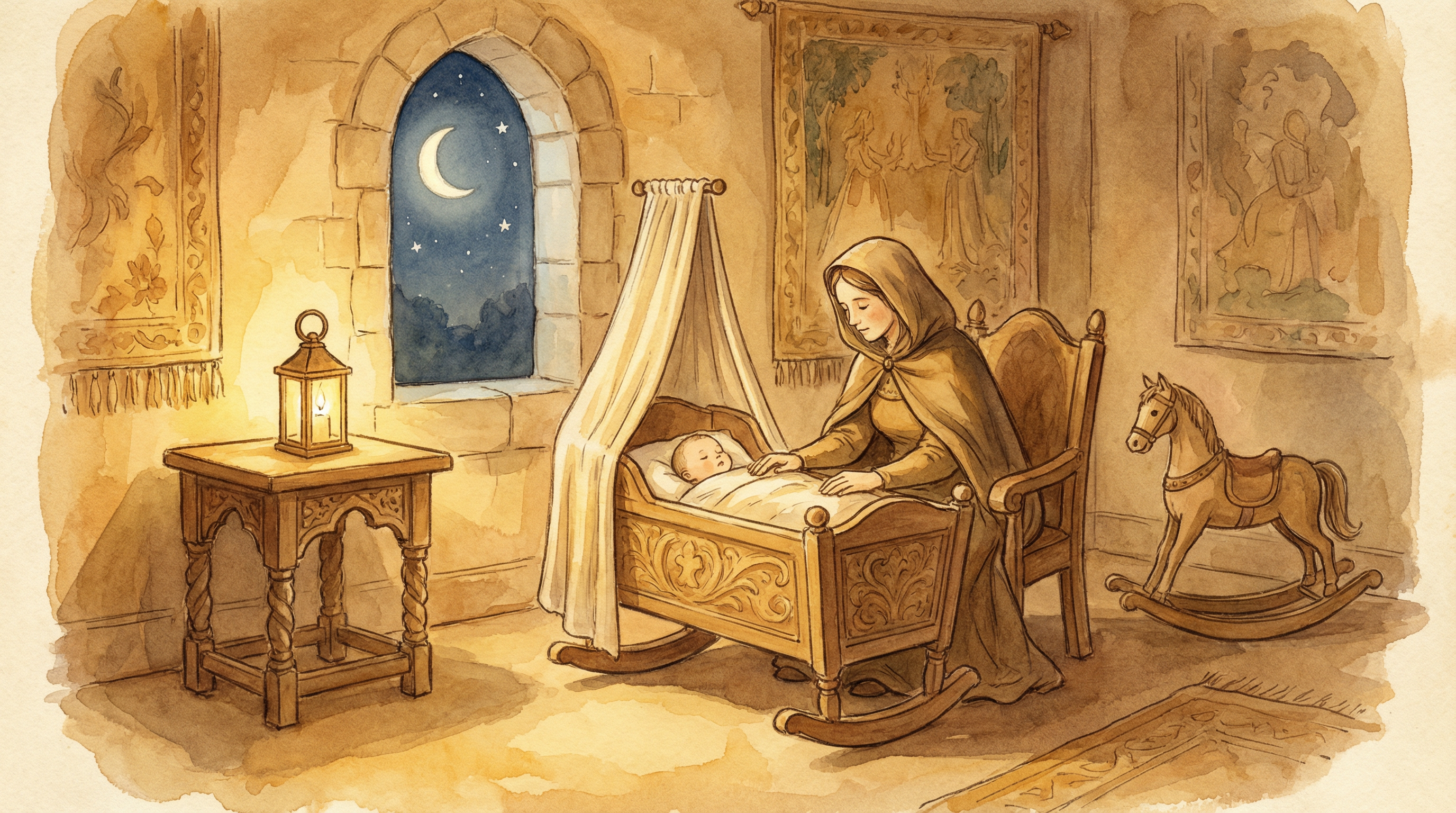
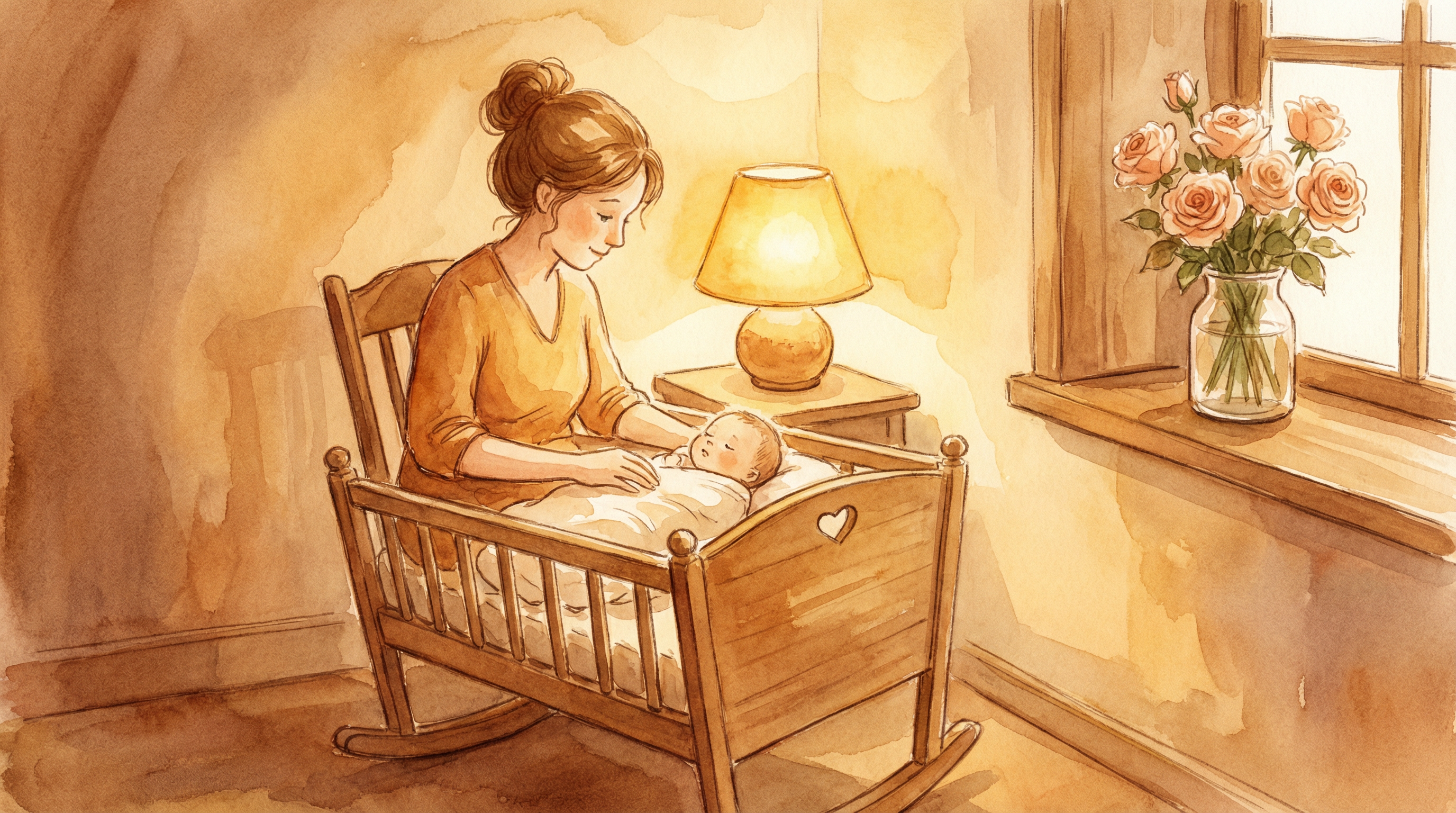
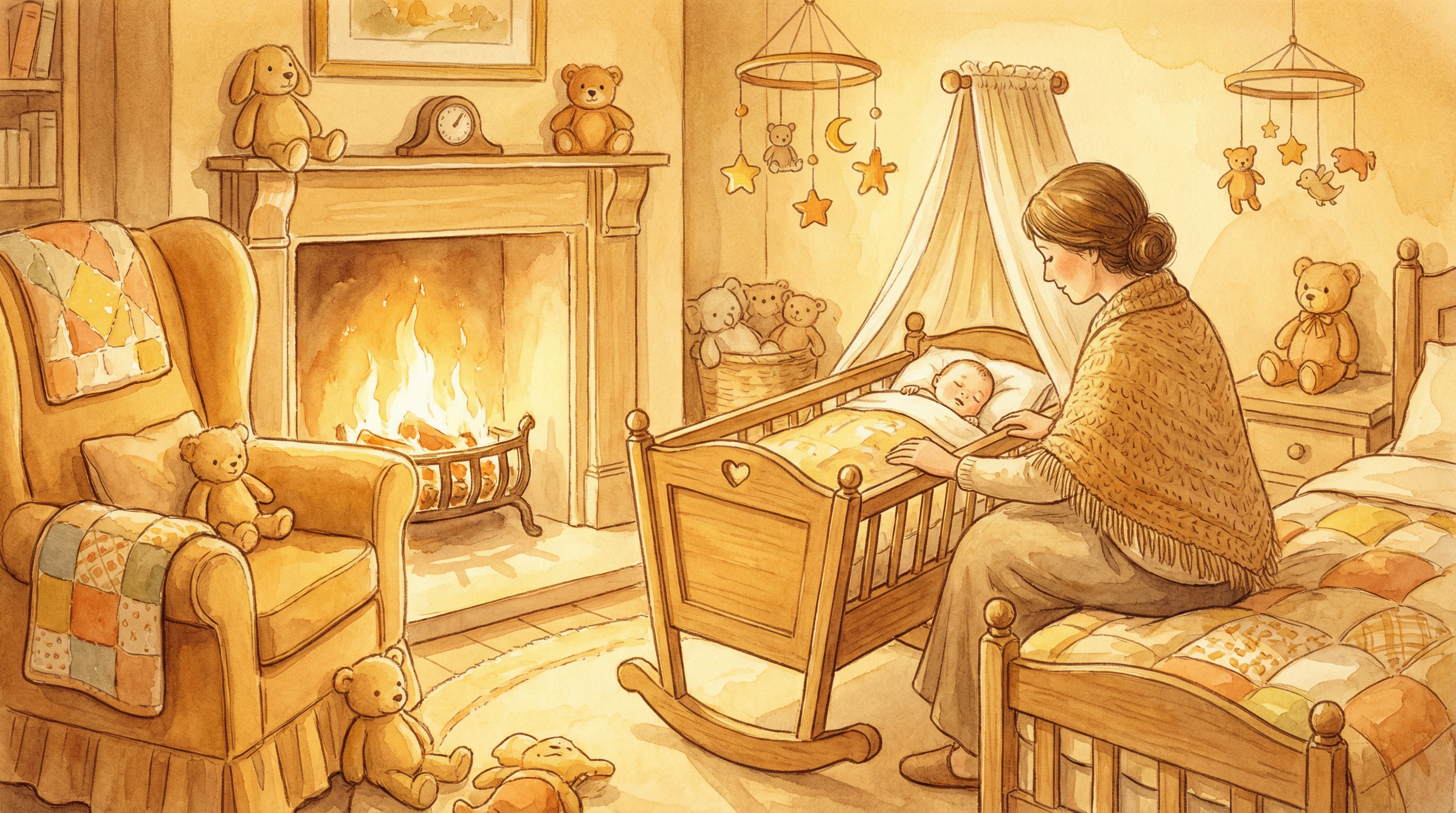
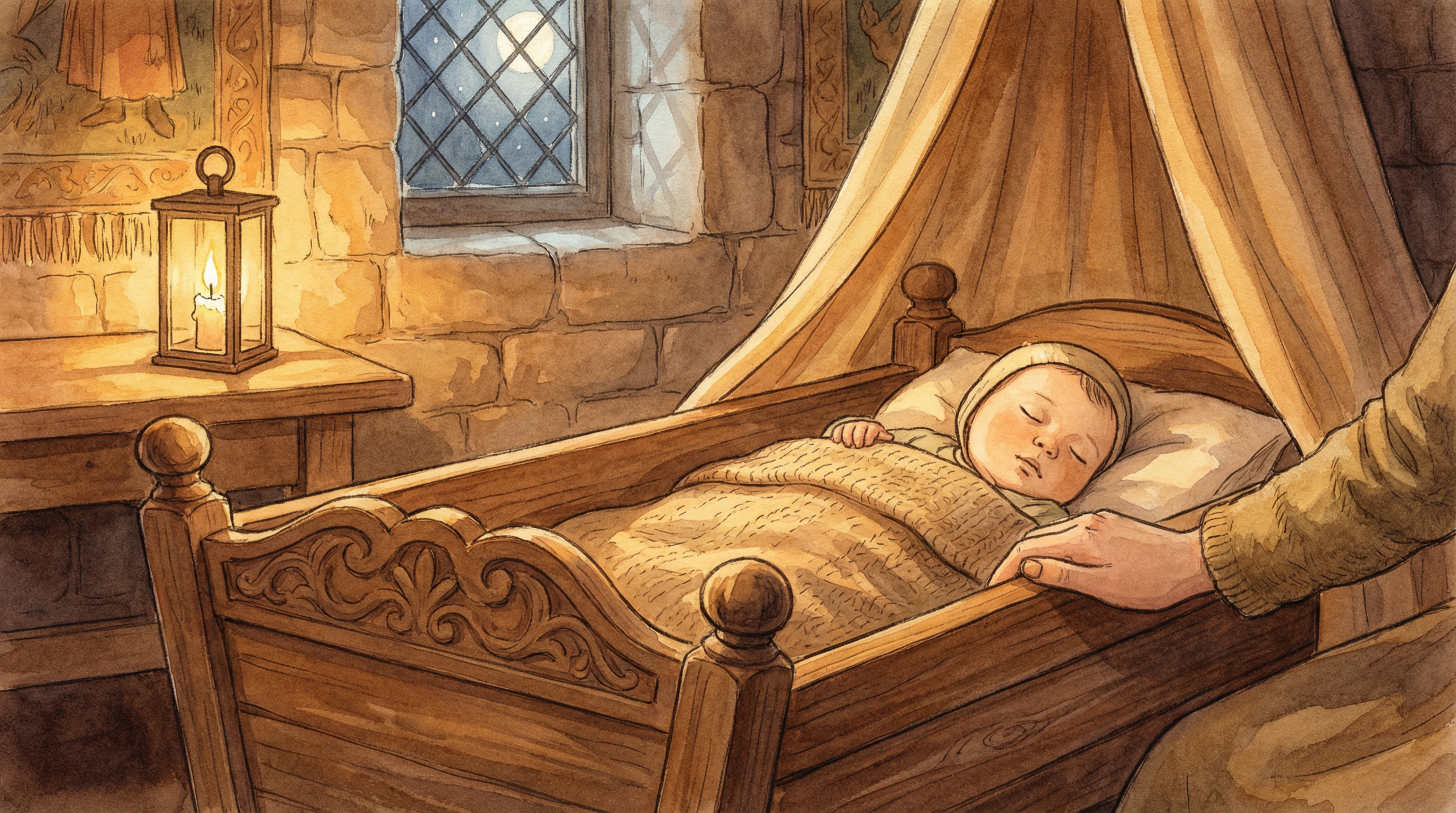
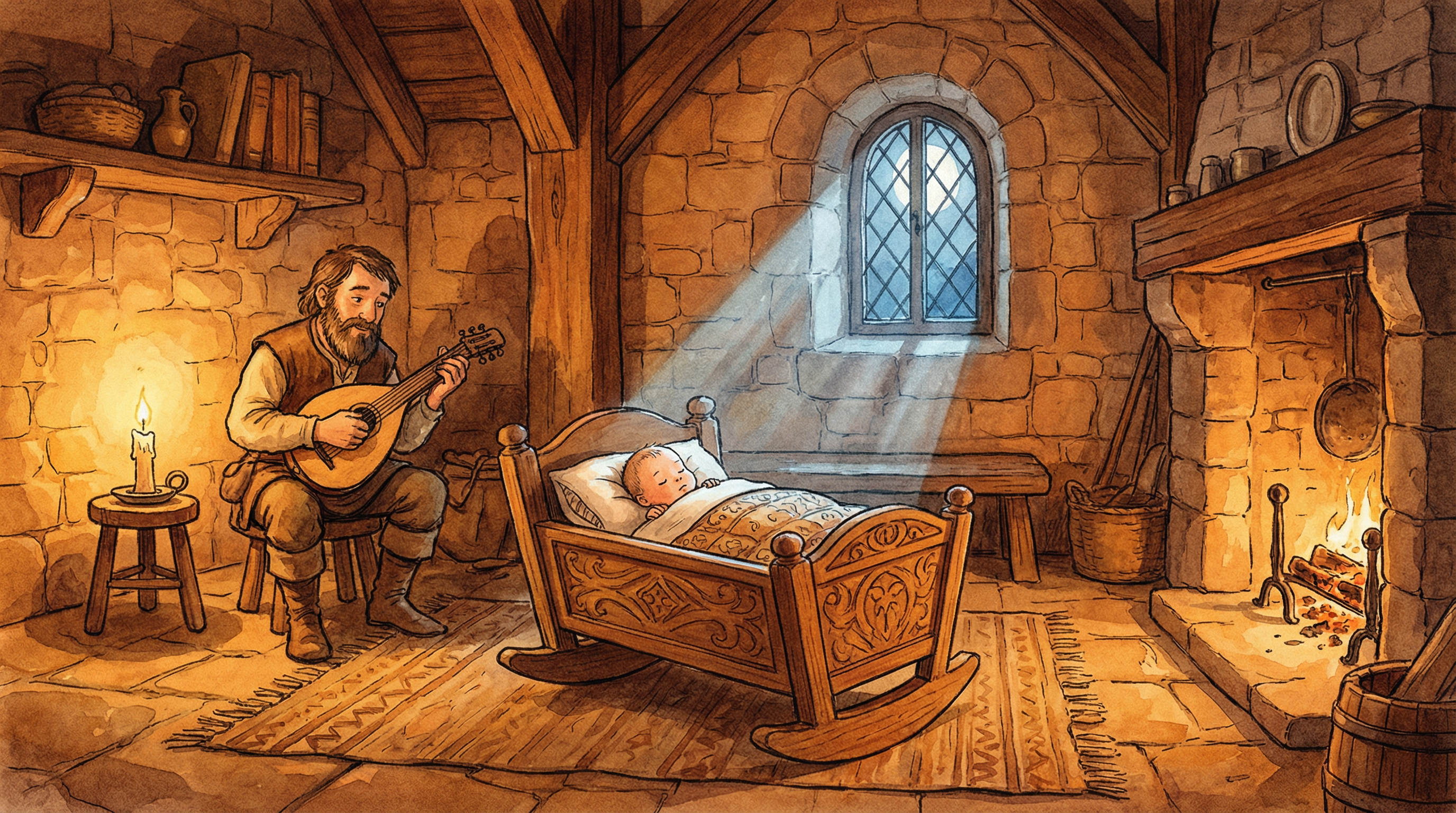
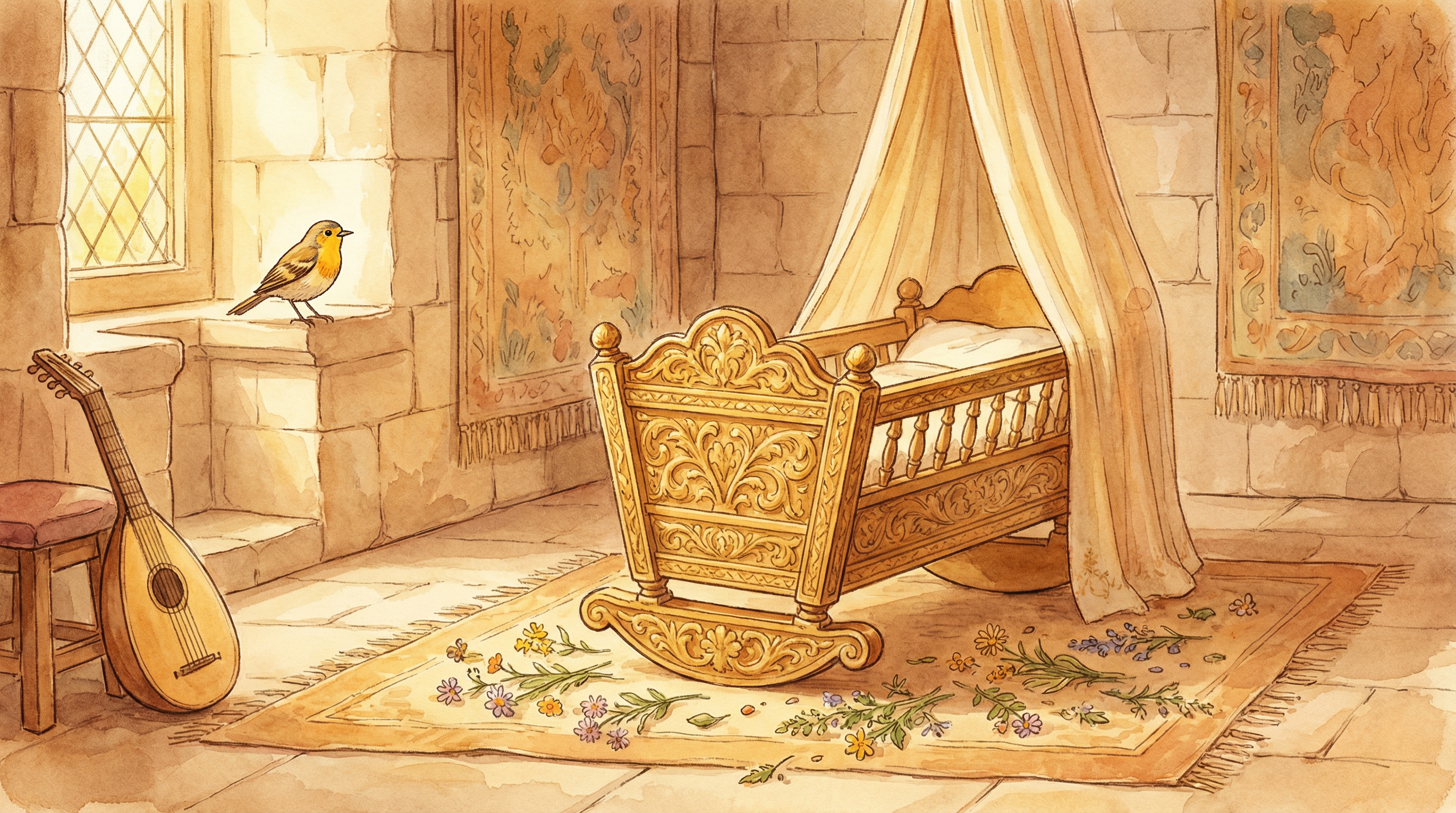
Sweet babe, a golden cradle en-holds thee,
Soft snow white fleece enfolds thee,
Fairest flower are strew before thee,
Sweet birds warble o'er thee,
Shoheen Shololo!
Lu, lu, lo, lo!
Oh, sleep, my baby, free from sorrow,
Bright though't open thine eyes tomorrow.
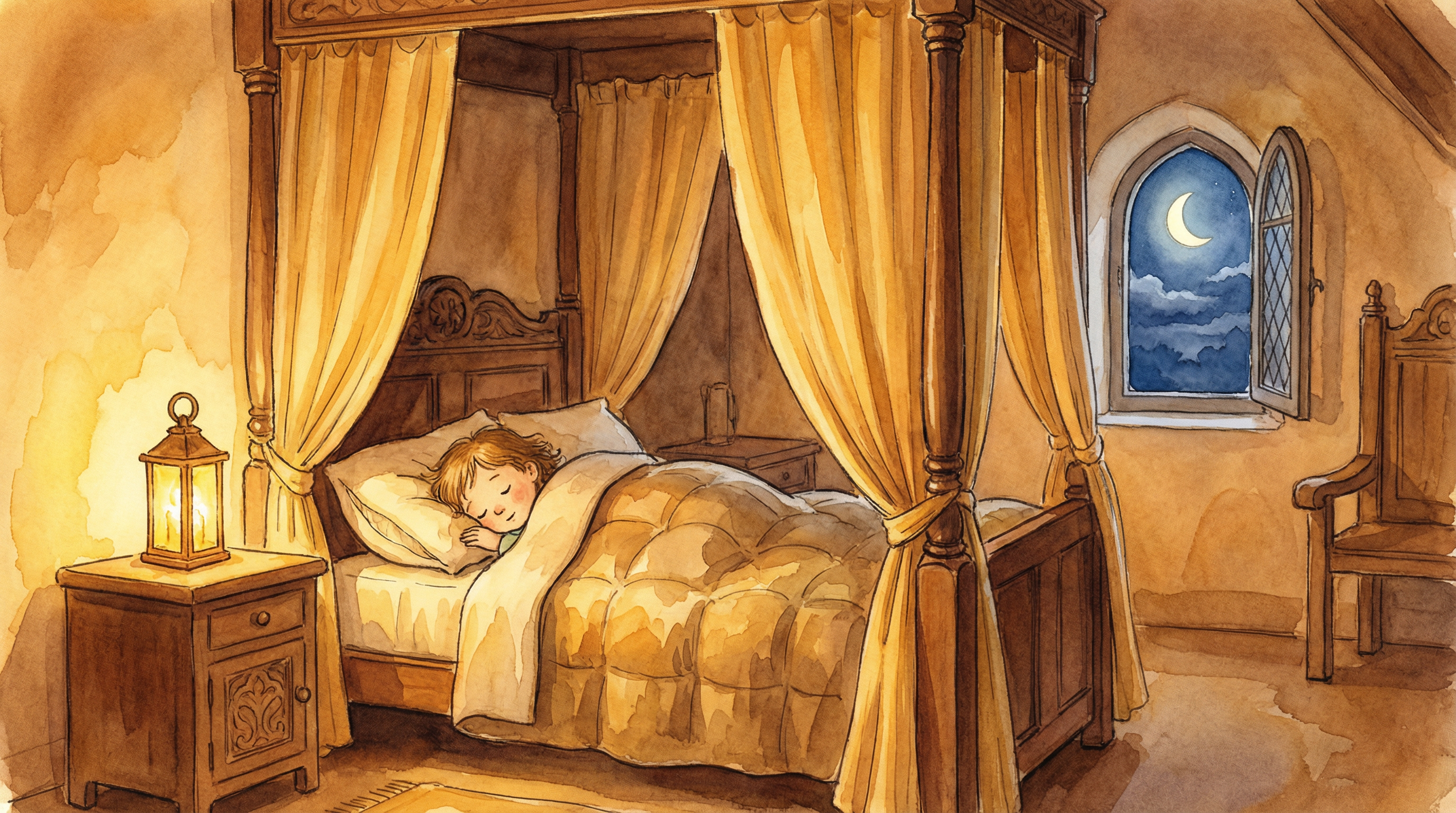
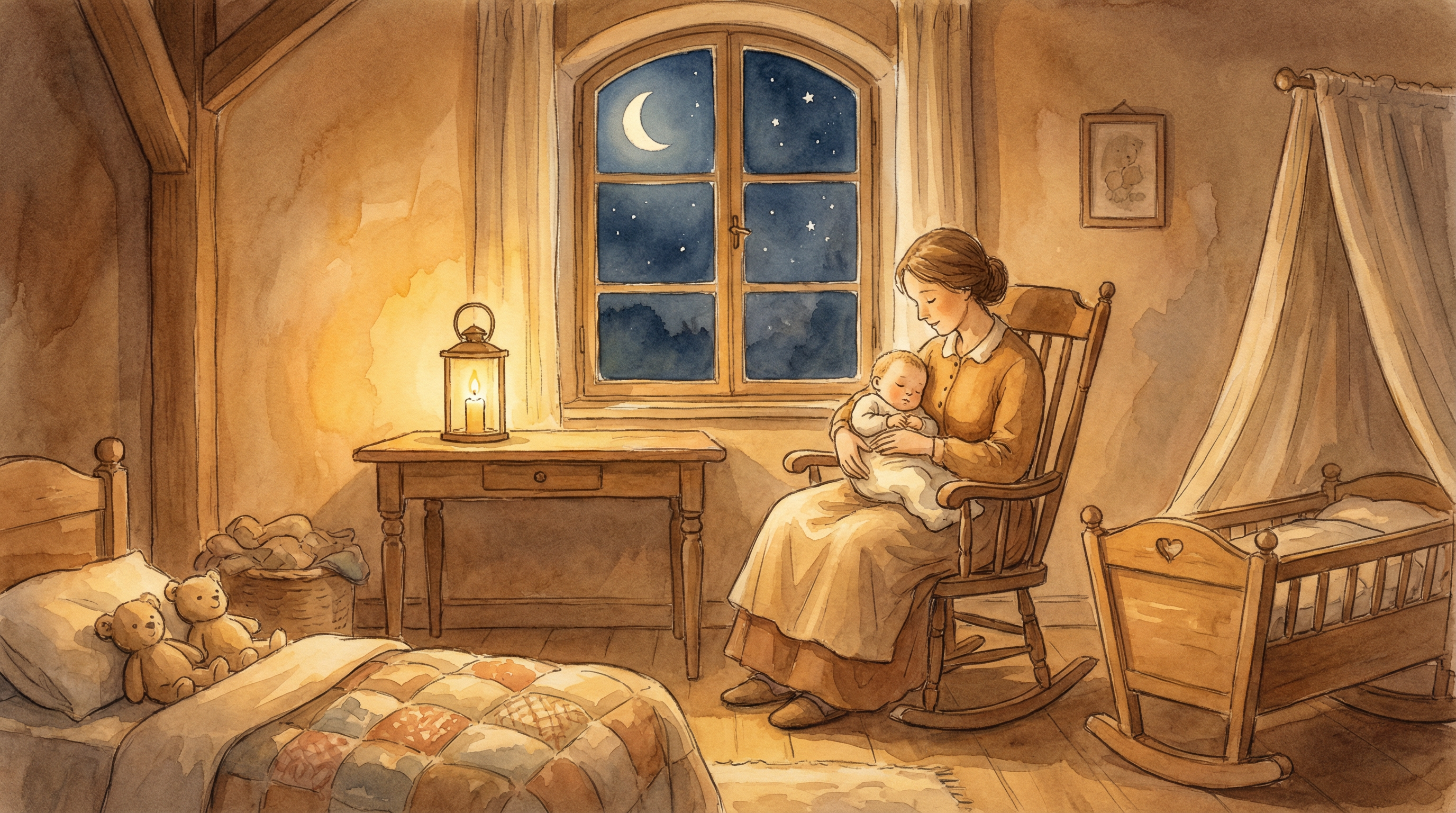
Sleep, while o'er thy smiling slumbers
Angels chant their numbers.
Shoheen Shololo!
Lu, lu, lo, lo!
Traditional lyrics — public domain. Arrangement © Singalongasong Band / ClassicRocks.
History & Background
History & Origin
"Golden Cradle" is a traditional Irish lullaby that belongs to the richly imaginative tradition of Celtic sleep songs, in which a sleeping child is painted in the most precious and protective imagery the singer can summon: golden cradles, white fleece, flowers strewn before them, birds singing overhead.
The phrase "shoheen shololo" — rendered here as "Shoheen Shololo" — is a traditional Irish lullaby refrain. "Shoheen" derives from the Irish "suaithín," a rocking or swaying motion, and the refrain appears in various forms in lullabies across Connacht and Munster. It is essentially an onomatopoeic representation of the rocking of a cradle, its sound doing as much work as its meaning.
Irish lullabies occupy a distinctive place in the broader Celtic lullaby tradition. Where Scottish Gaelic lullabies tend towards images of the sea and coast, Irish lullabies more often invoke domestic and pastoral imagery — the cradle, the fleece, the flowers — combined with extravagant expressions of the singer's love. The beloved child is not merely sleeping in a cot; they sleep in a golden cradle, wrapped in snow-white fleece, with flowers laid before them and birds singing above.
This hyperbolic tenderness is characteristic of a culture in which children were seen as both precious and fragile — Ireland's history of famine and emigration gave the survival of children a weight that shaped its folk expression in ways both beautiful and haunting.
Our arrangement honours this tradition with a setting of great warmth and intimacy, allowing the beauty of the melody and the tenderness of the words to speak clearly.