Listen
Arrangement: Ian J. Watts / Mike Wilbury · Singalongasong Band / ClassicRocks
Lyrics
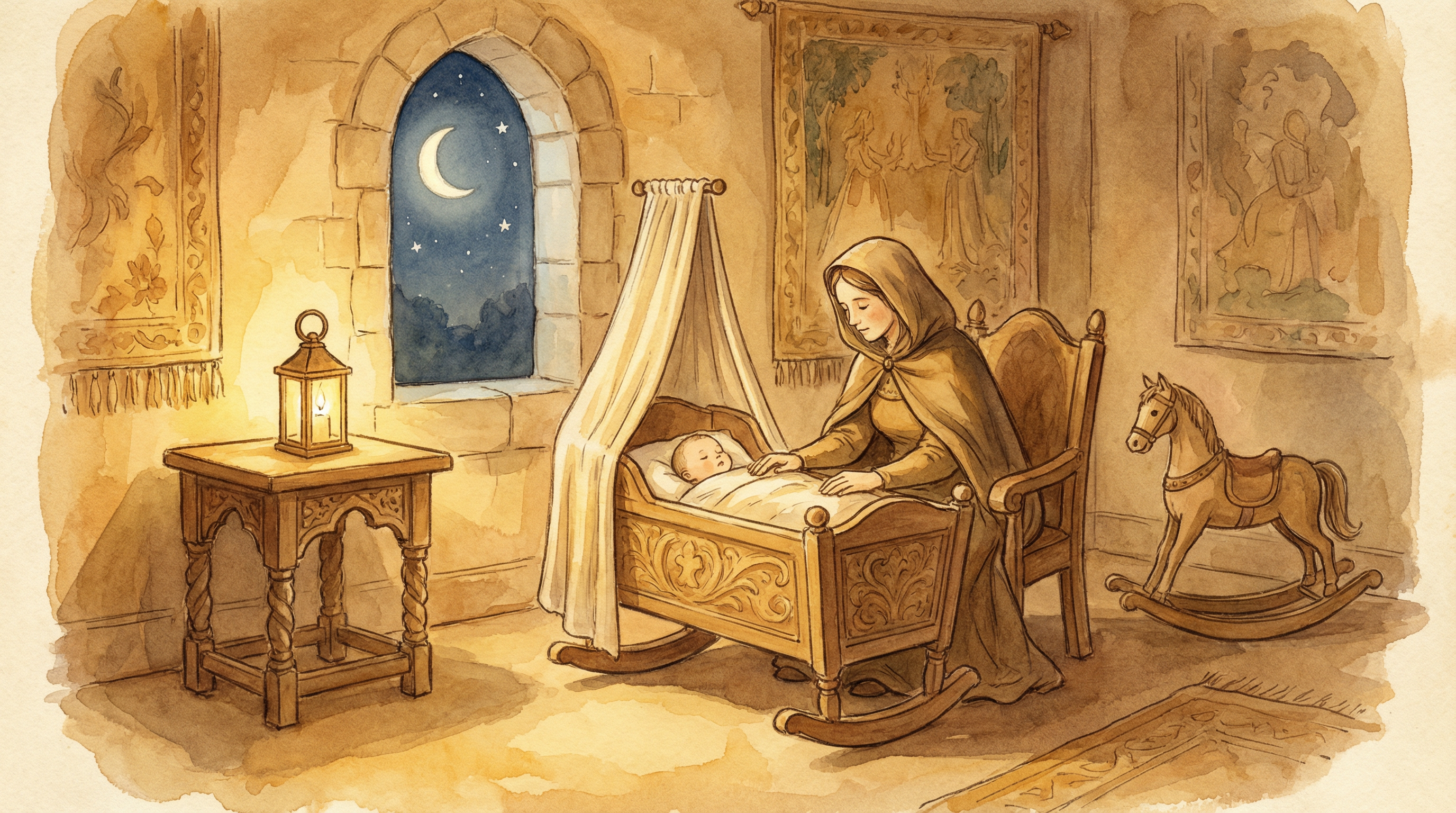
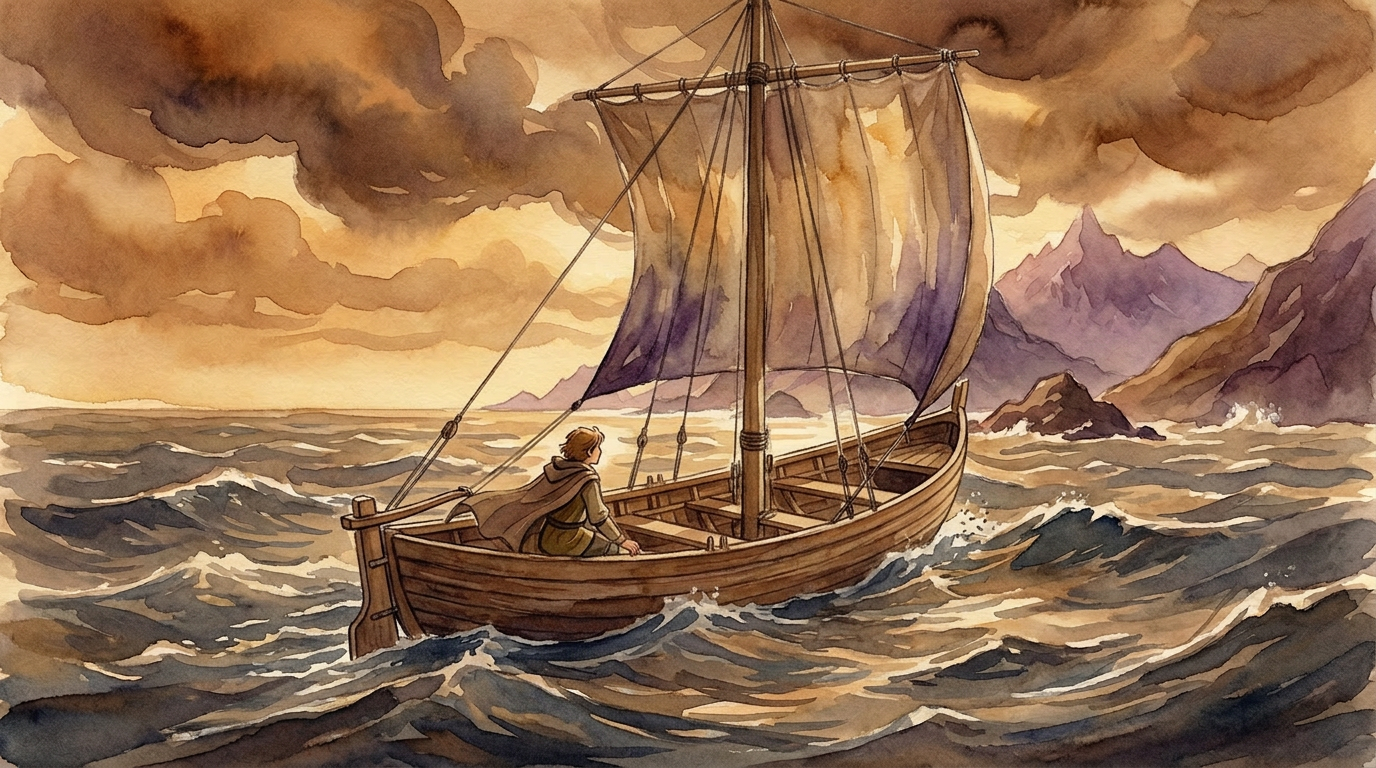
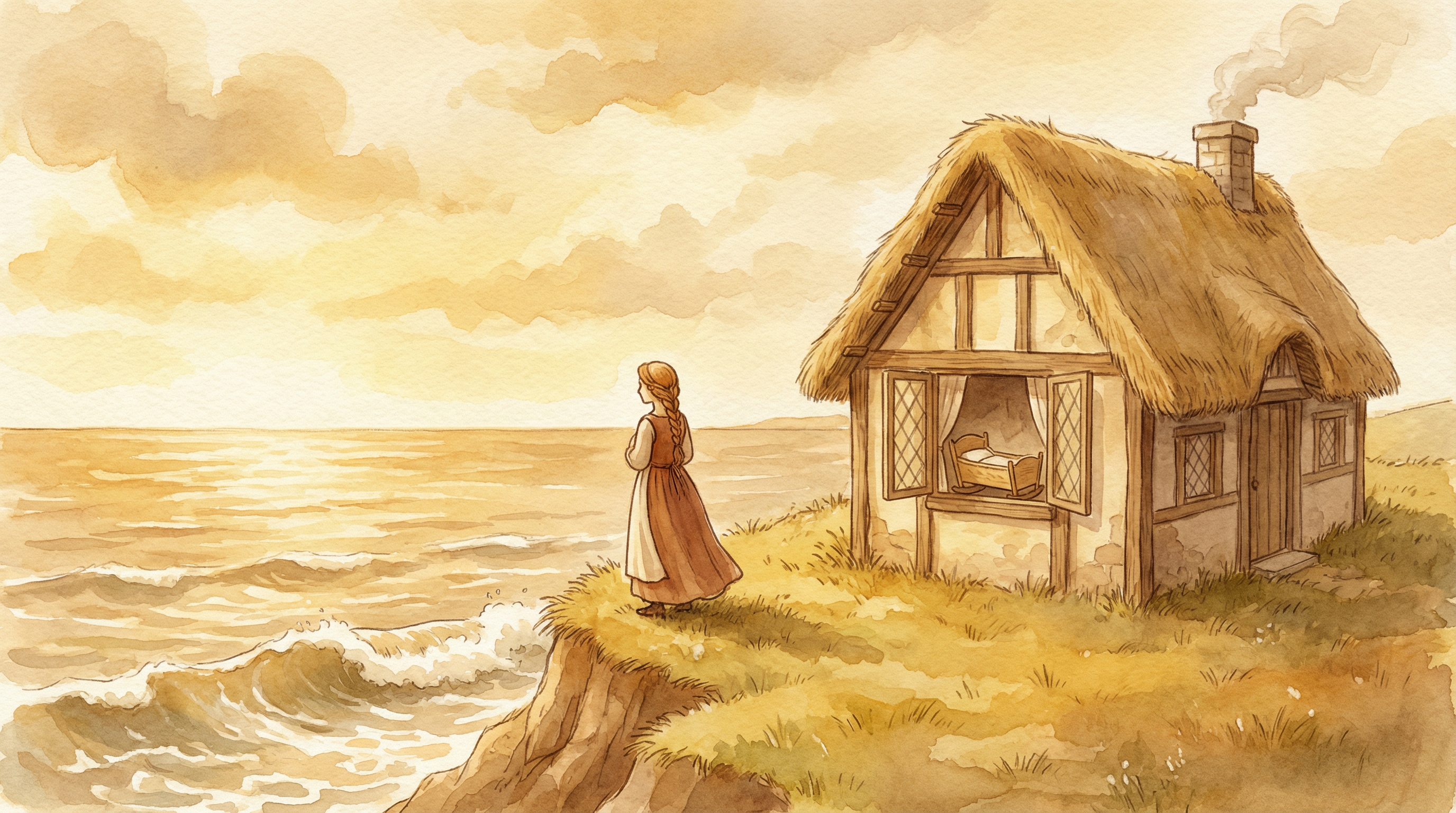
Hush, the waves are rolling in,
White with foam,
White with foam,
Father toils amid the din,
But baby sleeps at home, at home.
Hush the wind is blowing still,
Gently through the trees,
Listen to the breeze,
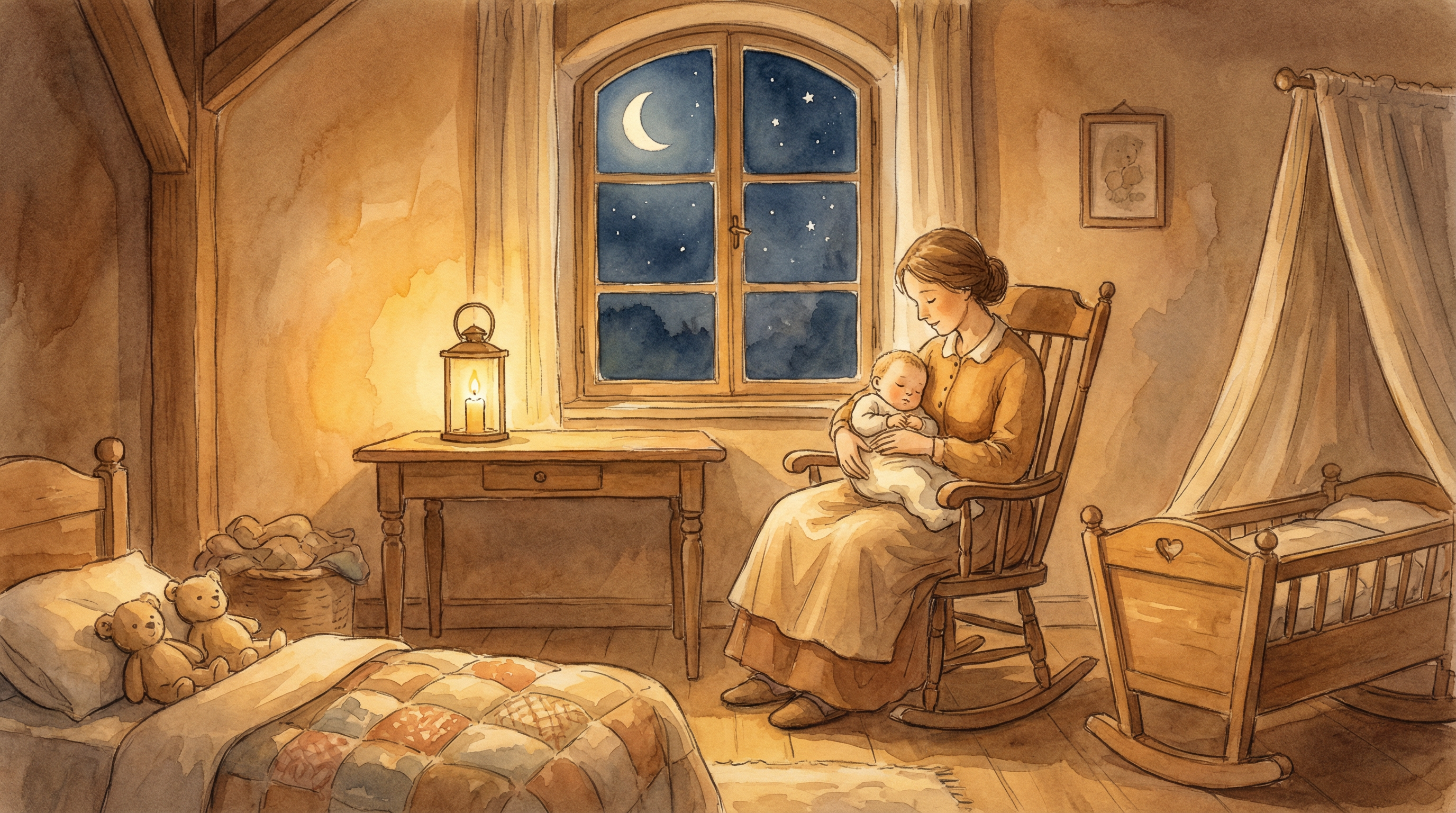
Mother brings the washing in,
And baby sleeps at home, at home.
Ahh Ahh Ahh…
Ahh Ahh Ahh…
Ahh Ahh Ahh…
Ahh Ahh Ahh…
Additional lyrics by Ian Watts
Traditional lyrics — public domain. Arrangement © Singalongasong Band / ClassicRocks.
History & Background
History & Origin
The "Gaelic Cradle Song" belongs to a rich and ancient tradition of lullabies from the Gaelic-speaking communities of Scotland and Ireland — a tradition sometimes collectively referred to as "iorram" (rowing songs) or "tàladh" (soothing songs) in Scottish Gaelic.
Gaelic lullabies are distinguished by their imagery, which is drawn almost entirely from the natural world of the North Atlantic seaboard: the sound of waves rolling in with their white foam, the wind moving through trees, a father out at sea, a mother bringing in washing from the line. These images are not merely decorative — they speak directly to the lived environment of fishing and crofting communities on the coasts of Ireland and Scotland, where the sea was both provider and ever-present danger.
The particular emotional resonance of this song lies in its juxtaposition: the father is "amid the din" of some unspecified labour — the sea, or the fields — while the baby sleeps at home. The lullaby is the mother's reassurance to the child that the world outside is at work so that the world inside can rest in safety.
The English text of this version is a translation from the Gaelic, and as with all translations of folk song, something of the original sonic texture is inevitably lost. Gaelic lullabies have a distinctive melodic quality — often modal, often with a falling cadence — that the translation attempts to honour.
The song has been recorded by numerous folk artists from both Ireland and Scotland, and our arrangement by Ian Watts gives it a lush, orchestral setting that honours the emotional depth and antiquity of the original tradition.