Listen
Arrangement: Ian J. Watts / Mike Wilbury · Singalongasong Band / ClassicRocks
Lyrics
Dance a baby, diddy,
What shall daddy do with thee?
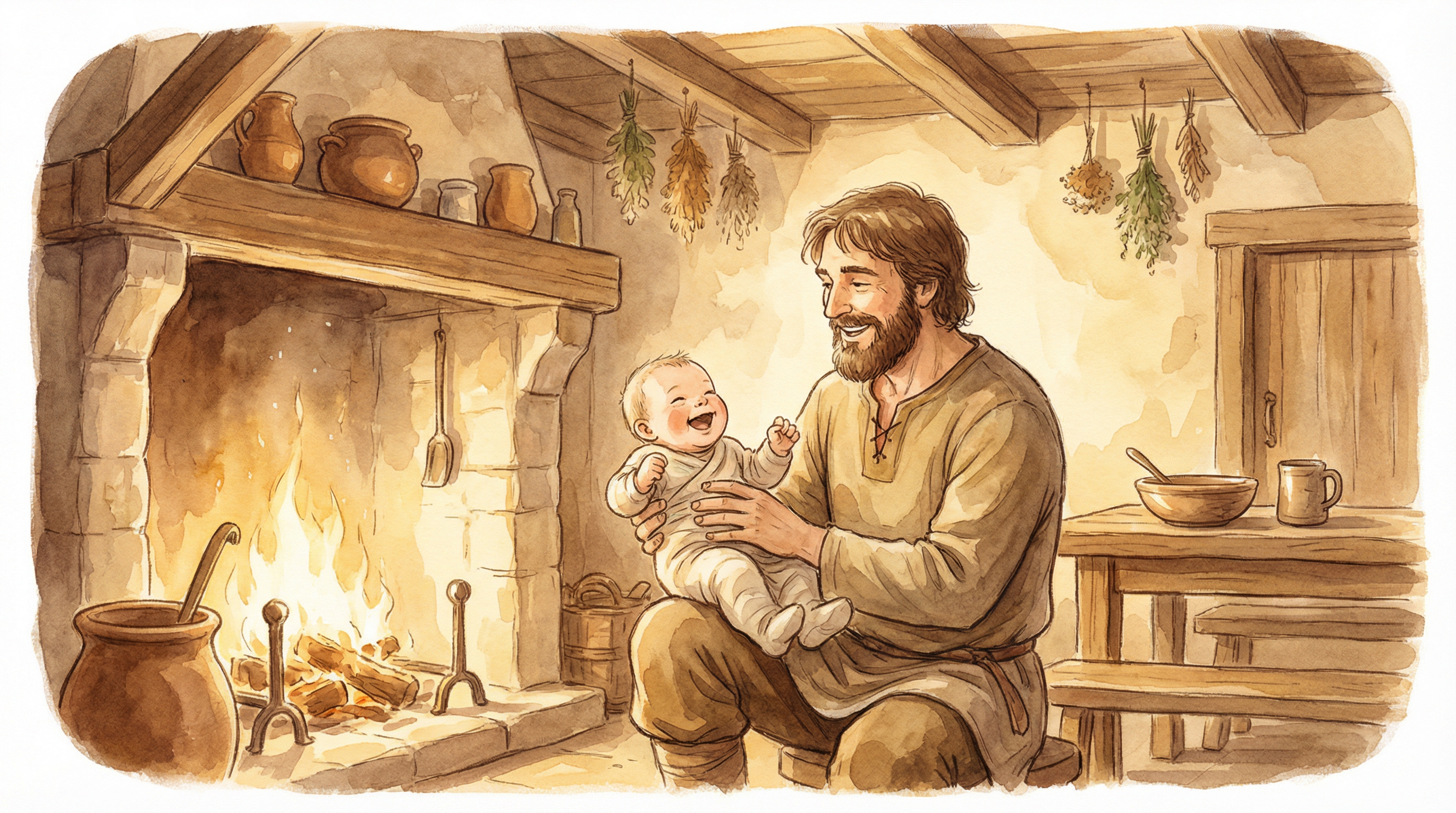
Sit on my lap,
I'll give thee some pap,
And dance a baby, diddy.
Smile, my baby bonnie,
What shall time bring on thee?
Sorrow and care,
Frowns and grey hair,
So dance a baby, diddy.
Laugh, my baby beauty,
What shall time do to thee?
Furrow thy cheek,
Wrinkle your neck,
Laugh, my baby beauty.
Traditional lyrics — public domain. Arrangement © Singalongasong Band / ClassicRocks.
History & Background
History & Origin
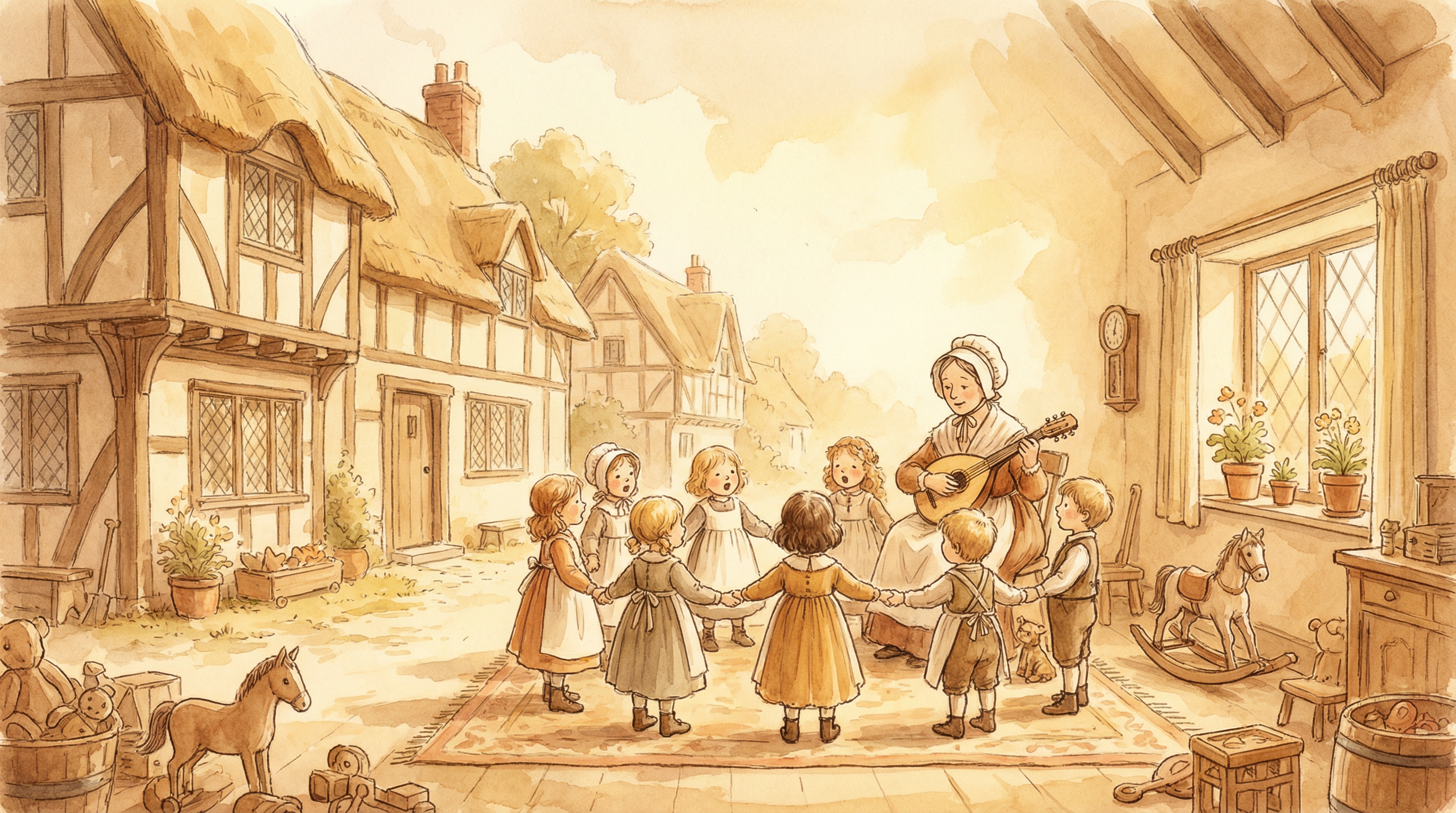
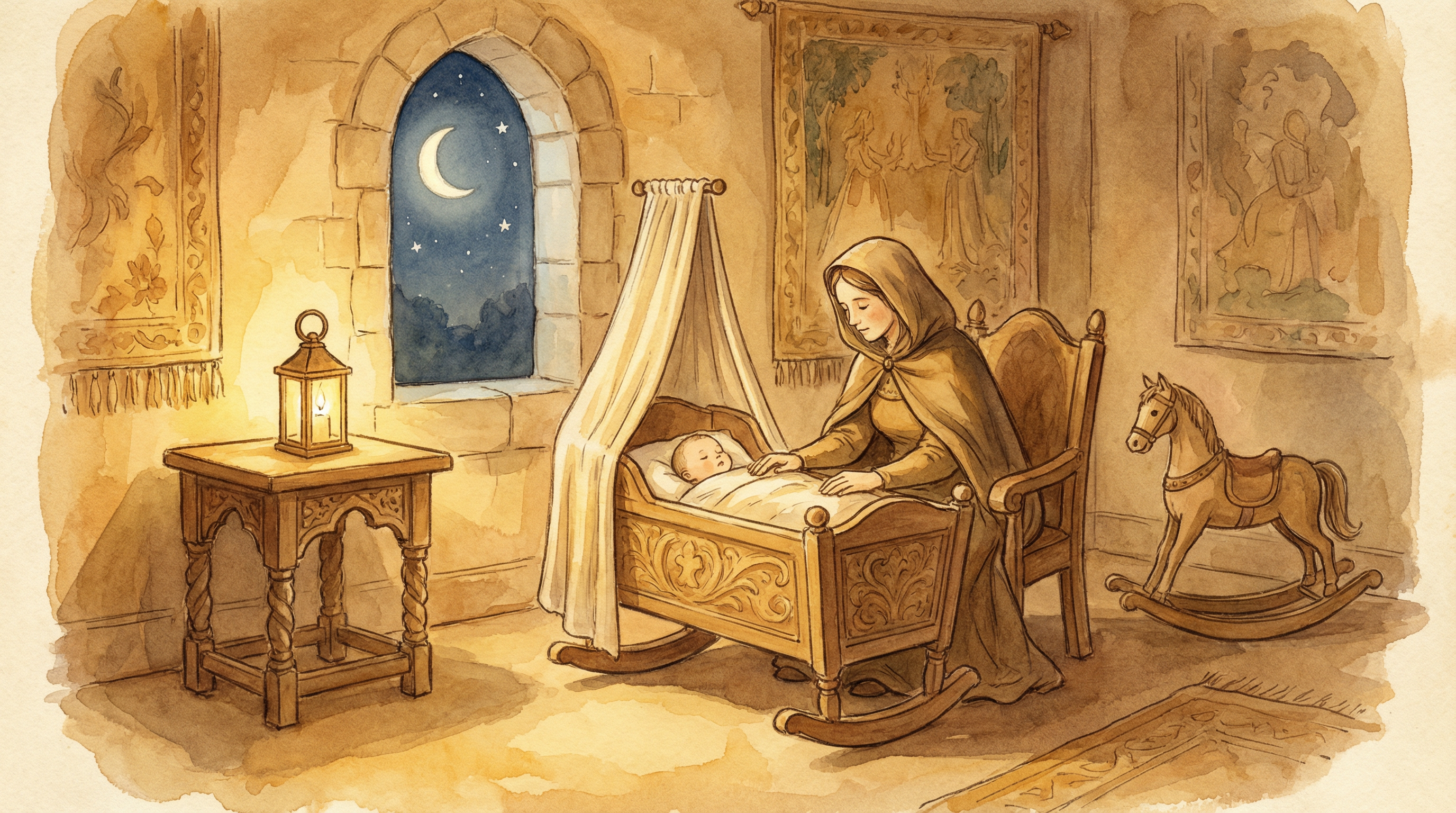
"Dance a Baby Diddy" is a traditional knee-bouncing rhyme — a song designed to be performed while a parent or carer bounces a young child on their knee, using the rhythm of the verse to time the bouncing. Knee-bouncing rhymes are among the oldest forms of children's music, predating written records, and exist in virtually every language and culture.
What makes "Dance a Baby Diddy" unusual among its type is its emotional range. Where most bouncing rhymes are purely cheerful, this one shifts into something more contemplative: "Smile, my baby bonnie, what shall time bring on thee? Sorrow and care, frowns and grey hair." The parent, while bouncing the child on their knee with love and warmth, is also acknowledging the full arc of a life — the inevitable wearing away of youth and beauty.
This bittersweet quality places the rhyme in a tradition of lullabies and infant songs that are ostensibly for children but speak more directly to the adult singer. The child is too young to understand "sorrow and care"; the parent knows these things all too well.
"Diddy" is a North English and Scottish dialect word of uncertain origin, used as a term of endearment for a child or as a nonsense filler in folk songs. "Pap" refers to soft food fed to infants — from the same root as "pappa" and related to words for soft or mushy food across European languages.
The song has been collected in various forms across the British Isles, with slight variations in the later verses.