Listen
Arrangement: Ian J. Watts / Mike Wilbury · Singalongasong Band / ClassicRocks
Lyrics
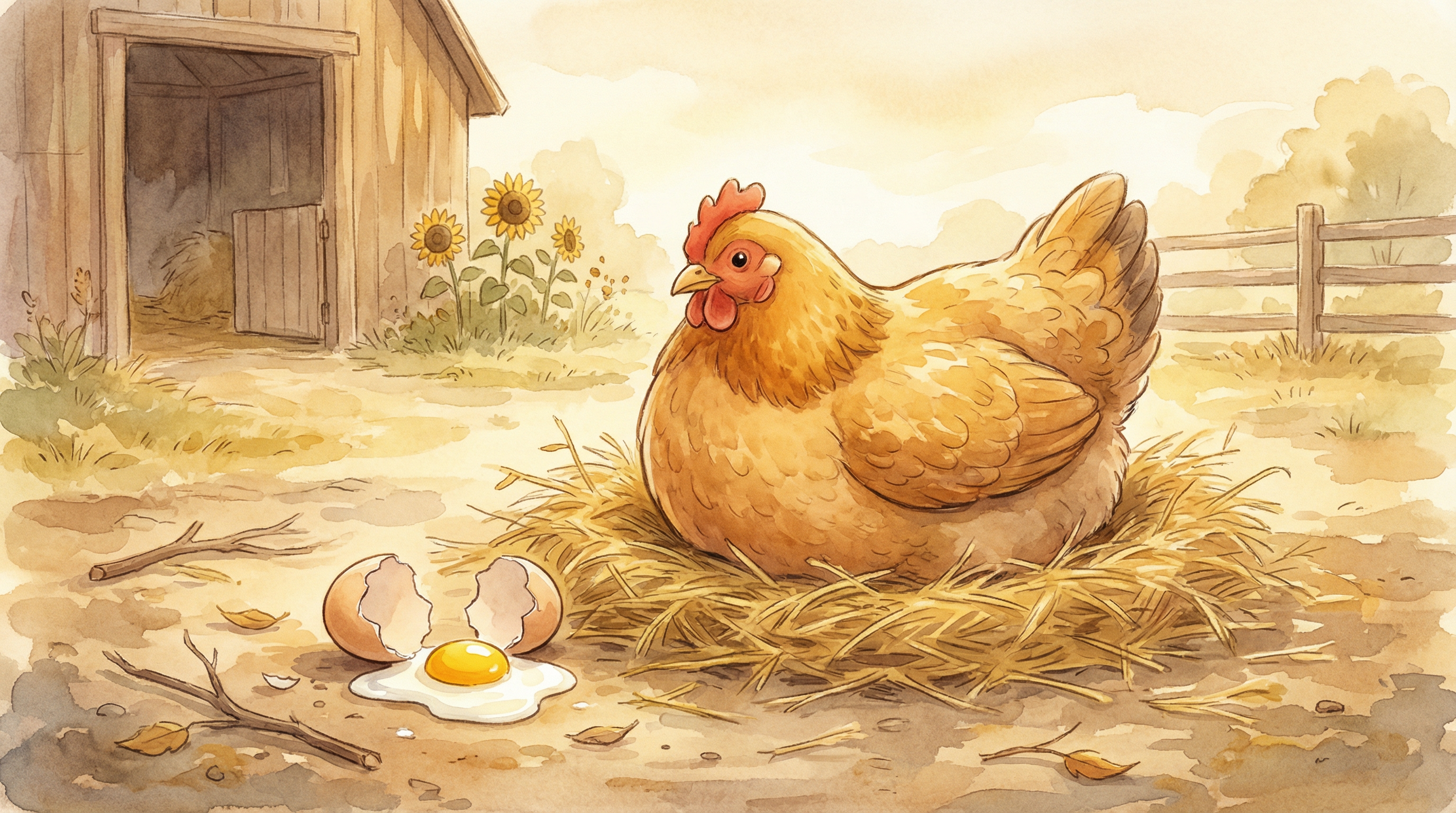
Chick, chick, chick, chick, chicken,
Lay a little egg for me.
Chick, chick, chick, chick, chicken,
I want some for my tea!
Now good old Farmer Haystack is the cleverest of men
He cuts a rasher off a pig and he shouts to a hen:
Chick, chick, chick, chick, chicken,
Lay a little egg for me.
Chick, chick, chick, chick, chicken,
I want some for my tea!
I haven't had an egg since Easter
And now it's half past three,
So chick, chick, chick, chick, chicken,
Lay a little egg for me!
Traditional lyrics — public domain. Arrangement © Singalongasong Band / ClassicRocks.
History & Background
History & Origin
"Chick Chick Chicken" is a cheerful, slightly absurd British music hall song that dates to the 1920s. It was written by Thomas McGhee, Fred Holt, and Irving King, and became a popular novelty number in the variety theatre tradition — exactly the kind of rollicking, singable piece that audiences loved to join in with from the stalls.
The music hall tradition, which dominated British popular entertainment from the 1850s to the 1920s, produced hundreds of songs like this one: simple, rhythmically compelling, built for audience participation, and laced with a mild, winking absurdity. The idea of demanding an egg from a chicken — with some urgency, given that Easter has passed and it is already half past three — is precisely the kind of comic domestic situation that music hall audiences found irresistible.
The song's transition from adult entertainment to children's music is entirely natural. Its onomatopoeic chorus ("chick, chick, chick, chick, chicken"), its simple narrative, and its driving rhythm make it enormously appealing to young children, and it has been a fixture of children's recordings, nursery classes, and playgroups ever since.
The mention of "Farmer Haystack" — a name designed to sound generically and amusingly rustic — adds a faint flavour of comic pastoral. It is a song that knows exactly what it is: a piece of uncomplicated fun, perfectly designed to make people smile.
Our recording gives it full energy, leaning into the music hall spirit with a performance that invites every child in the room to cluck along.