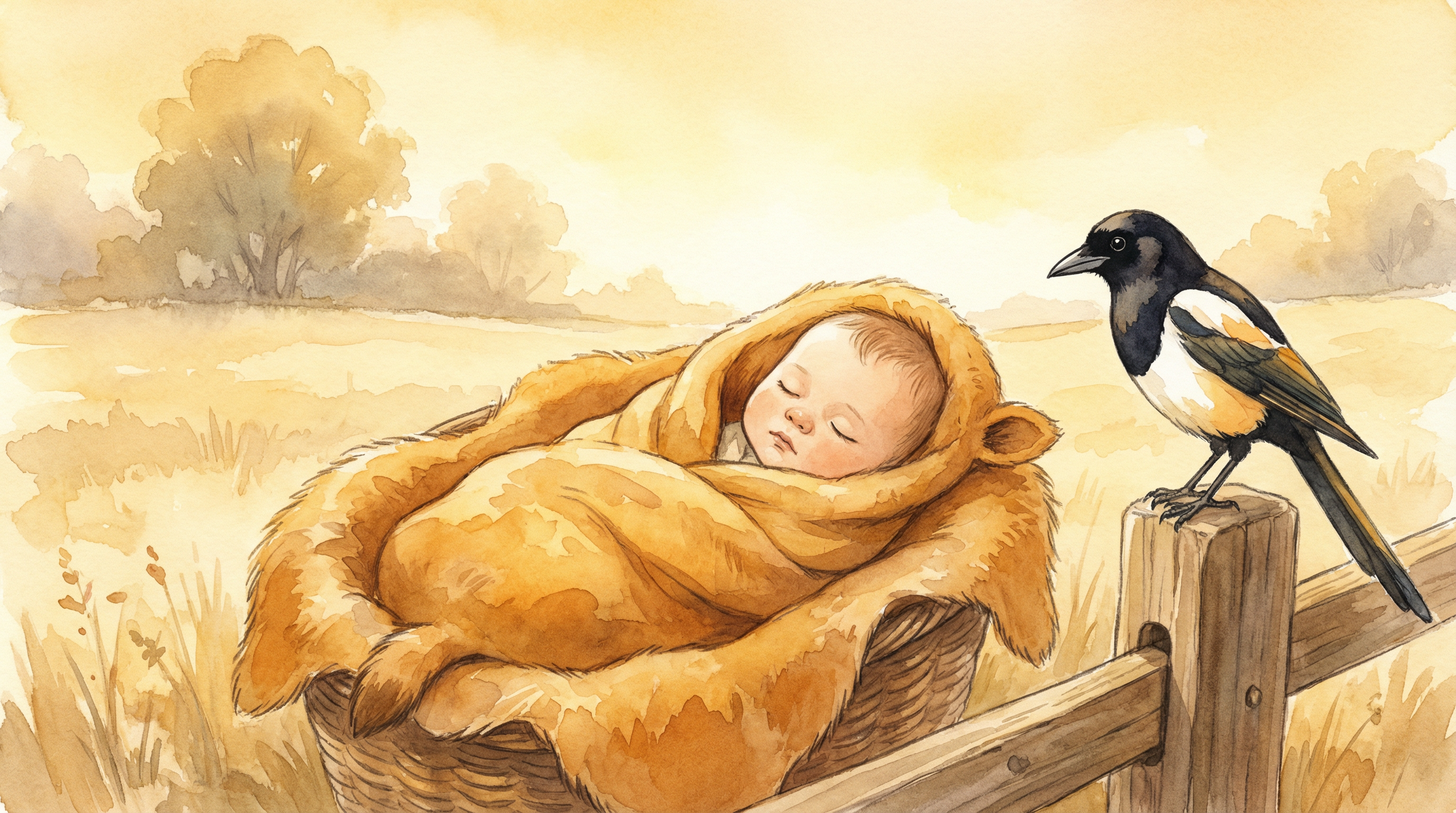
Bye Baby Bunting / One for Sorrow
Two traditional rhymes combined — a tender lullaby and a magpie counting song
Listen
Arrangement: Ian J. Watts / Mike Wilbury · Singalongasong Band / ClassicRocks
Lyrics
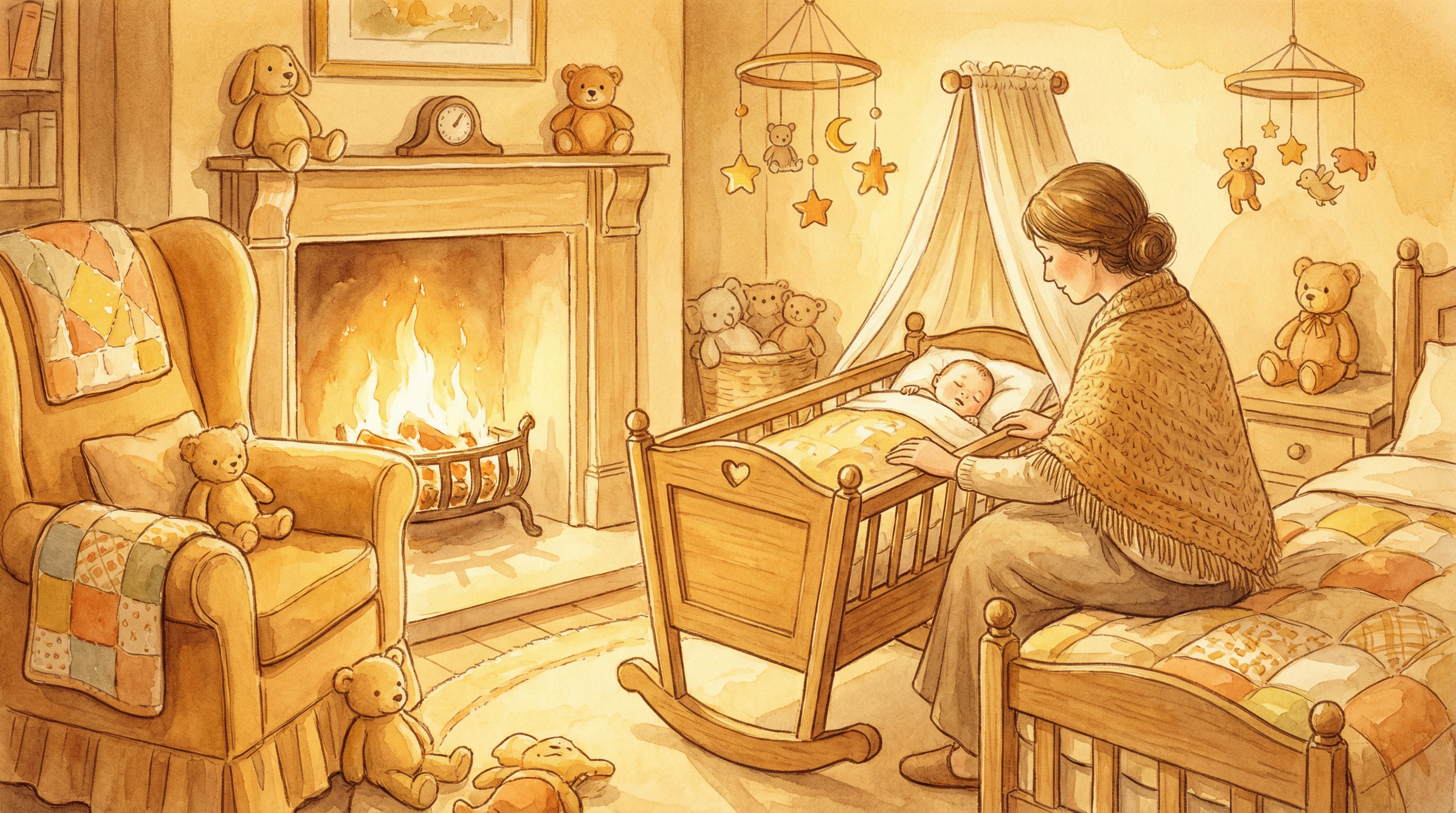
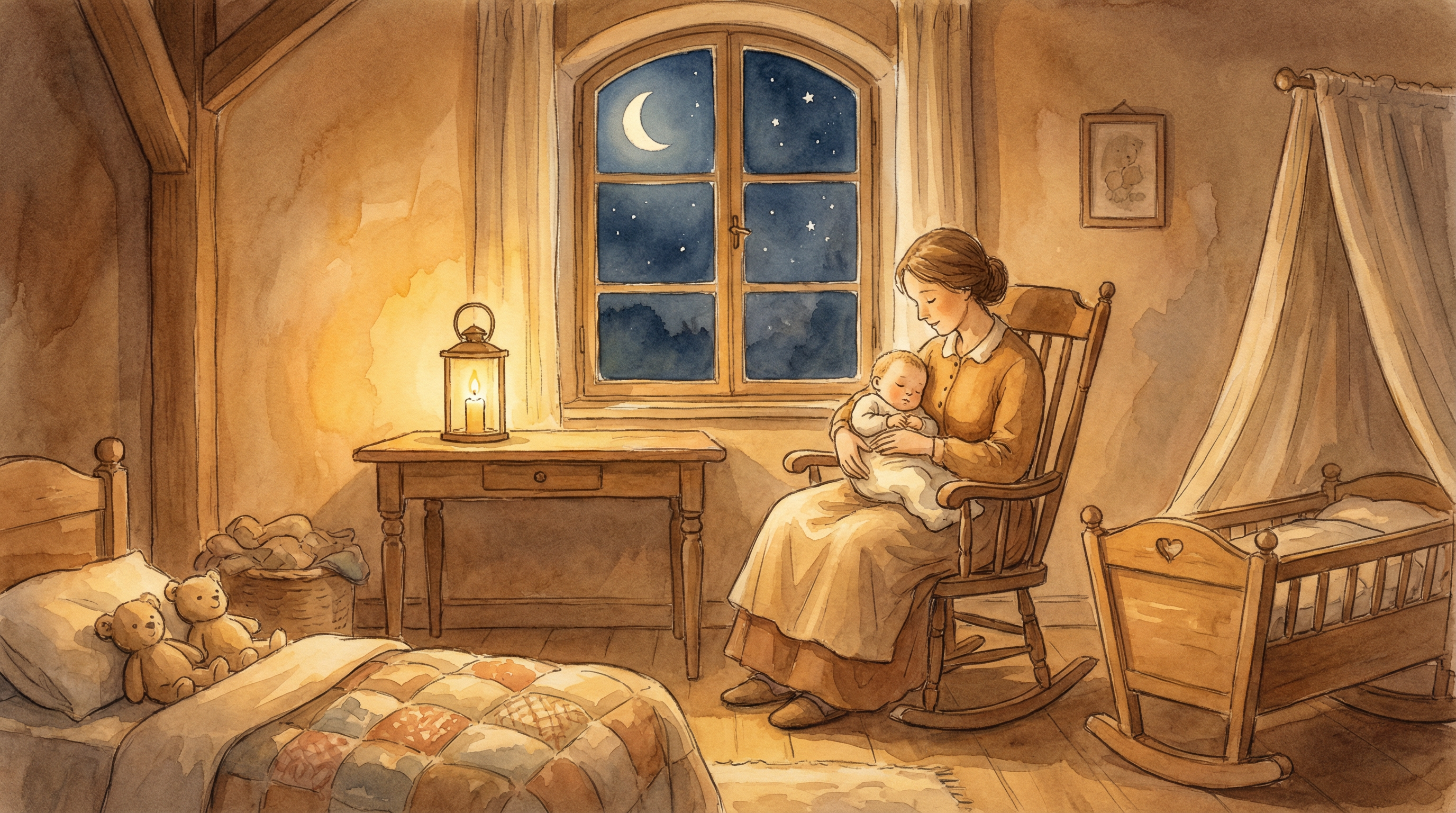
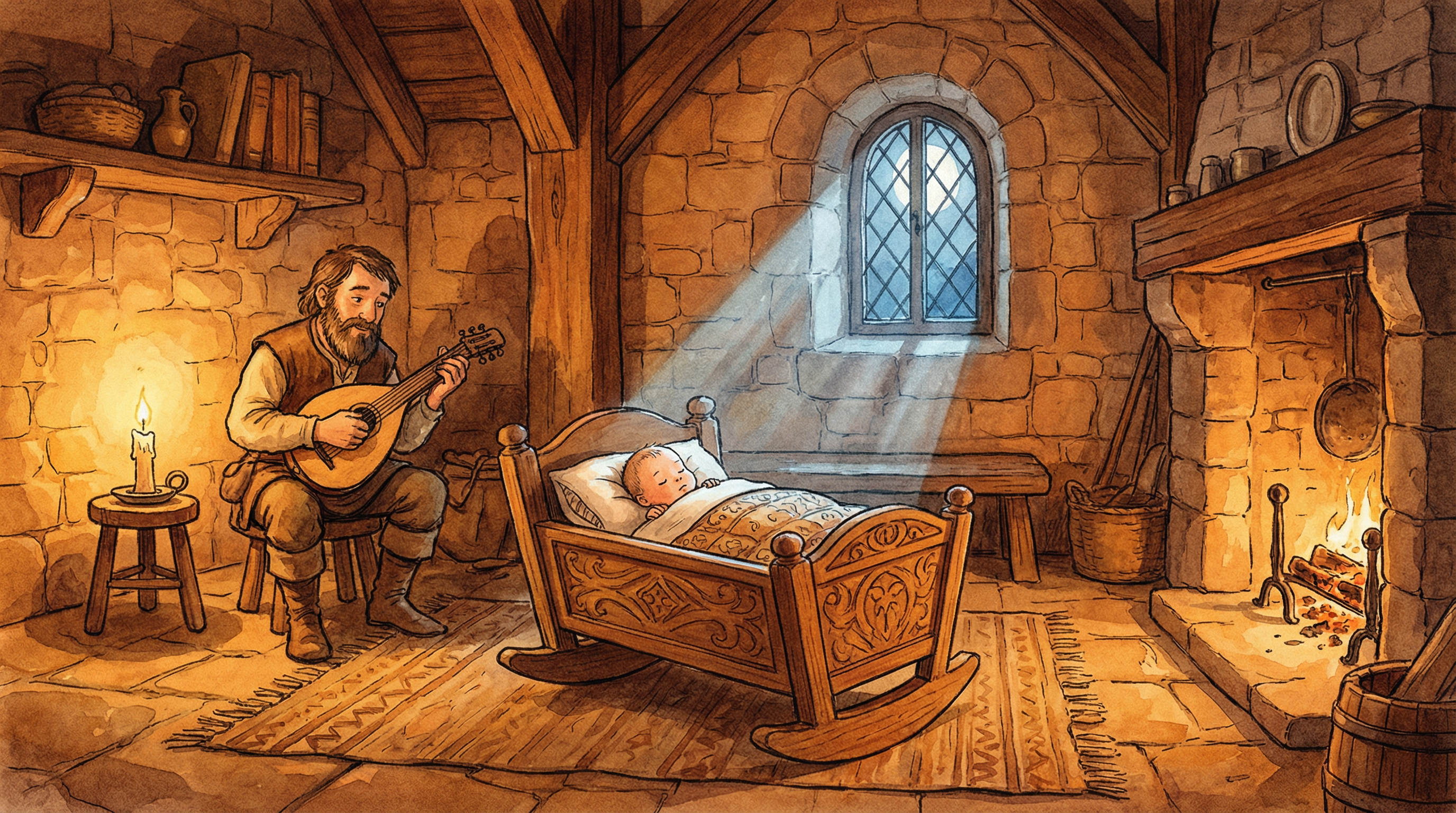
Bye, baby bunting
Daddy's gone a hunting
To get a little rabbit skin
To wrap his baby bunting in
One for sorrow
Two for joy
Three for a girl
And four for a boy
Five for silver
And six for gold
Seven for a secret,
Never to be told
Traditional lyrics — public domain. Arrangement © Singalongasong Band / ClassicRocks.
History & Background
History & Origin
This recording brings together two of the most enduring traditional rhymes in the English repertoire.
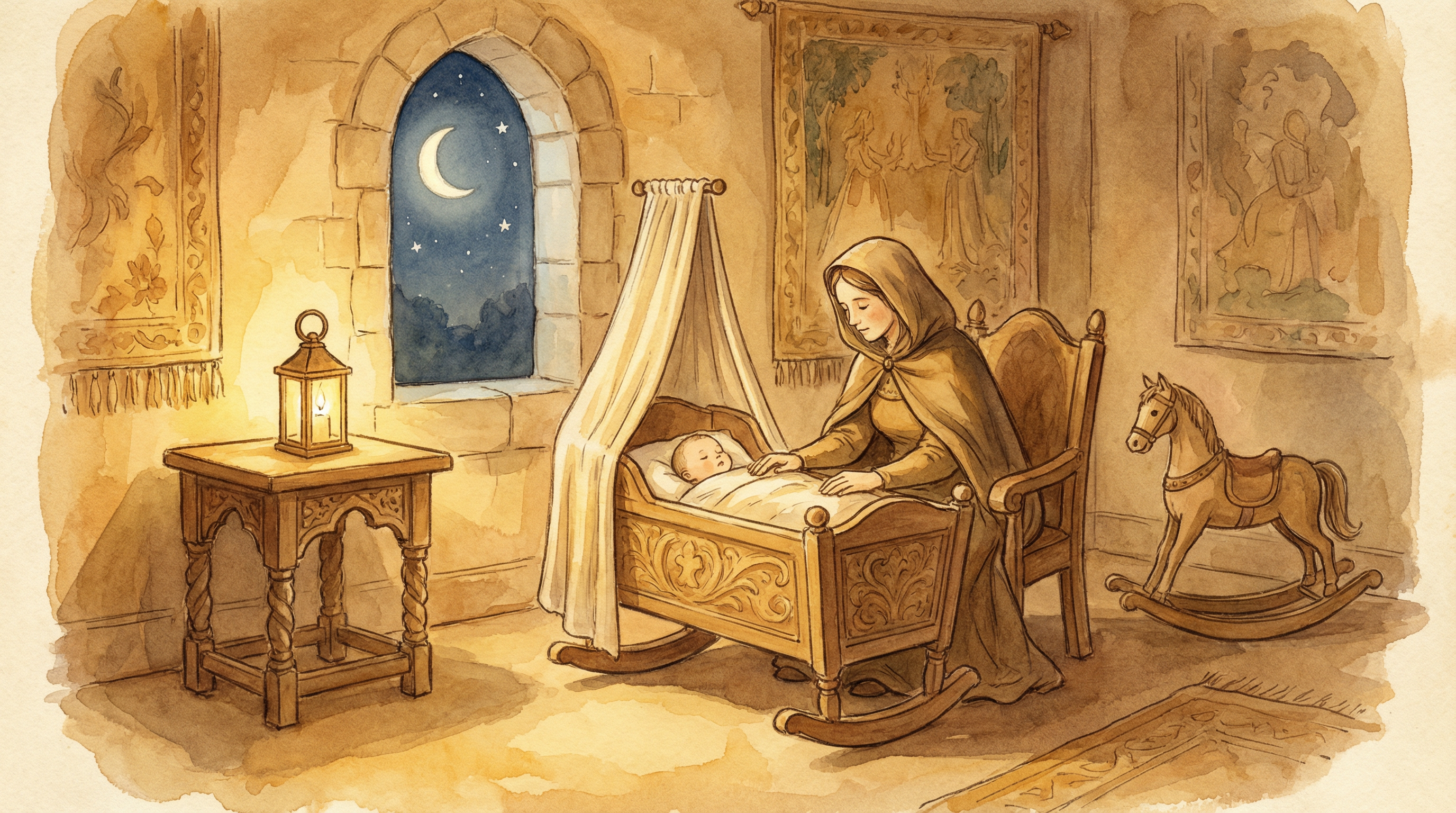
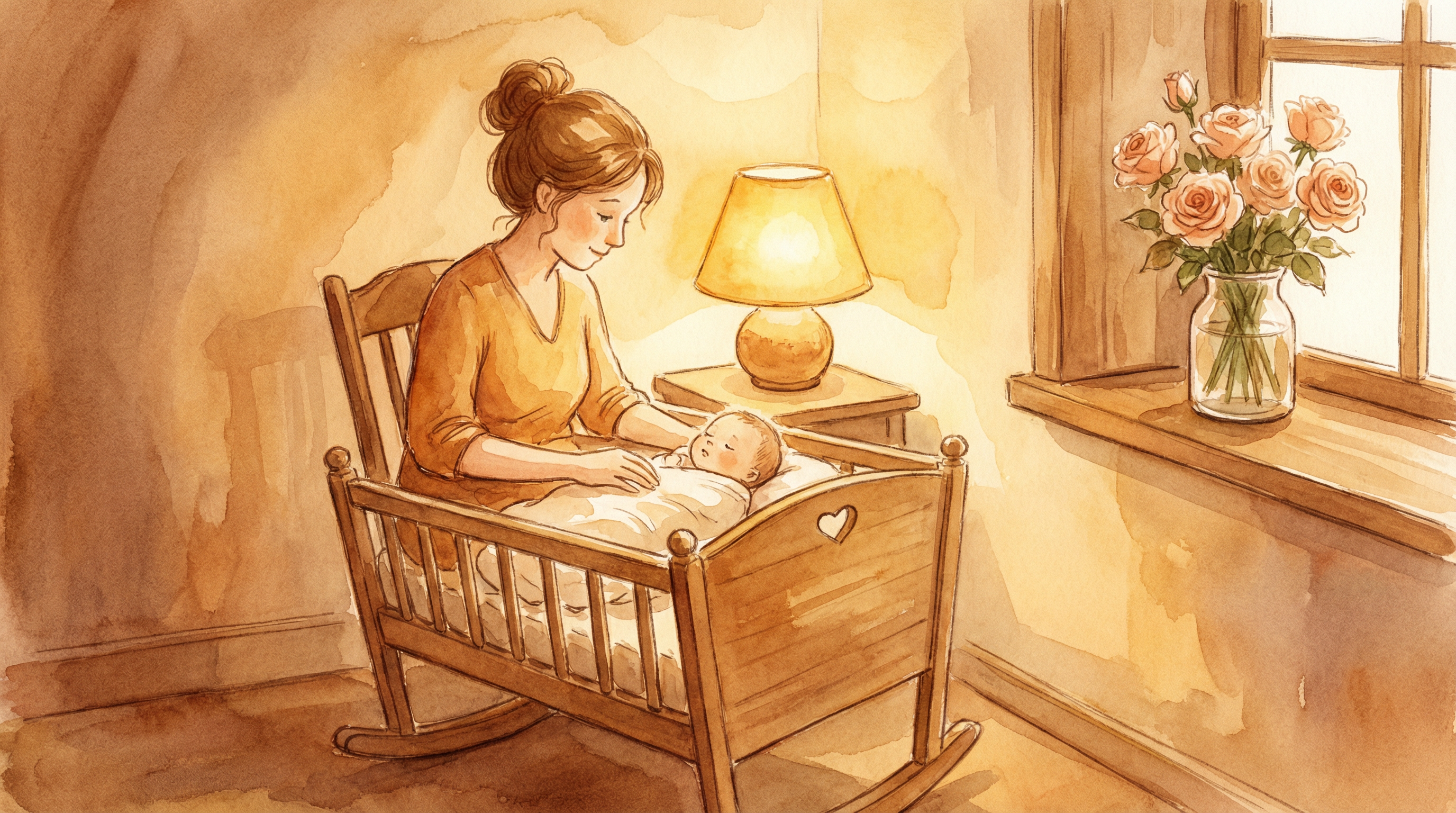
"Bye Baby Bunting" is a traditional lullaby first printed in Gammer Gurton's Garland around 1784, though it is almost certainly older. "Bunting" is an old term of endearment — it may derive from the word for a soft, fleecy fabric, suggesting a baby wrapped warmly and tenderly. The image of a father going hunting to bring home a rabbit skin to wrap his child is simultaneously practical and loving, grounding the lullaby in the rhythms of a rural working life.
"One for Sorrow" is the famous magpie counting rhyme, one of the most widely known pieces of folk superstition in Britain. Magpies were considered birds of ill omen when seen alone — hence the habit of saluting a solitary magpie and saying "Good morning, Mr Magpie, how's your wife?" to ward off bad luck. The rhyme turns this superstition into a counting game, with each additional magpie bringing incrementally better fortune.
The earliest printed version of the magpie rhyme dates to around 1780, but the superstition behind it is considerably older. Regional variants exist across Britain, with slight differences in what numbers seven, eight, and nine signify — though "one for sorrow, two for joy" has remained consistent across all versions.
Together, the two rhymes make a naturally flowing piece: from the tenderness of the lullaby to the playful charm of counting birds in a hedgerow.