As I Was Going To St Ives (Medley)
The oldest riddle in the nursery rhyme book — can you solve it?
Listen
Arrangement: Ian J. Watts / Mike Wilbury · Singalongasong Band / ClassicRocks
Lyrics
Heya
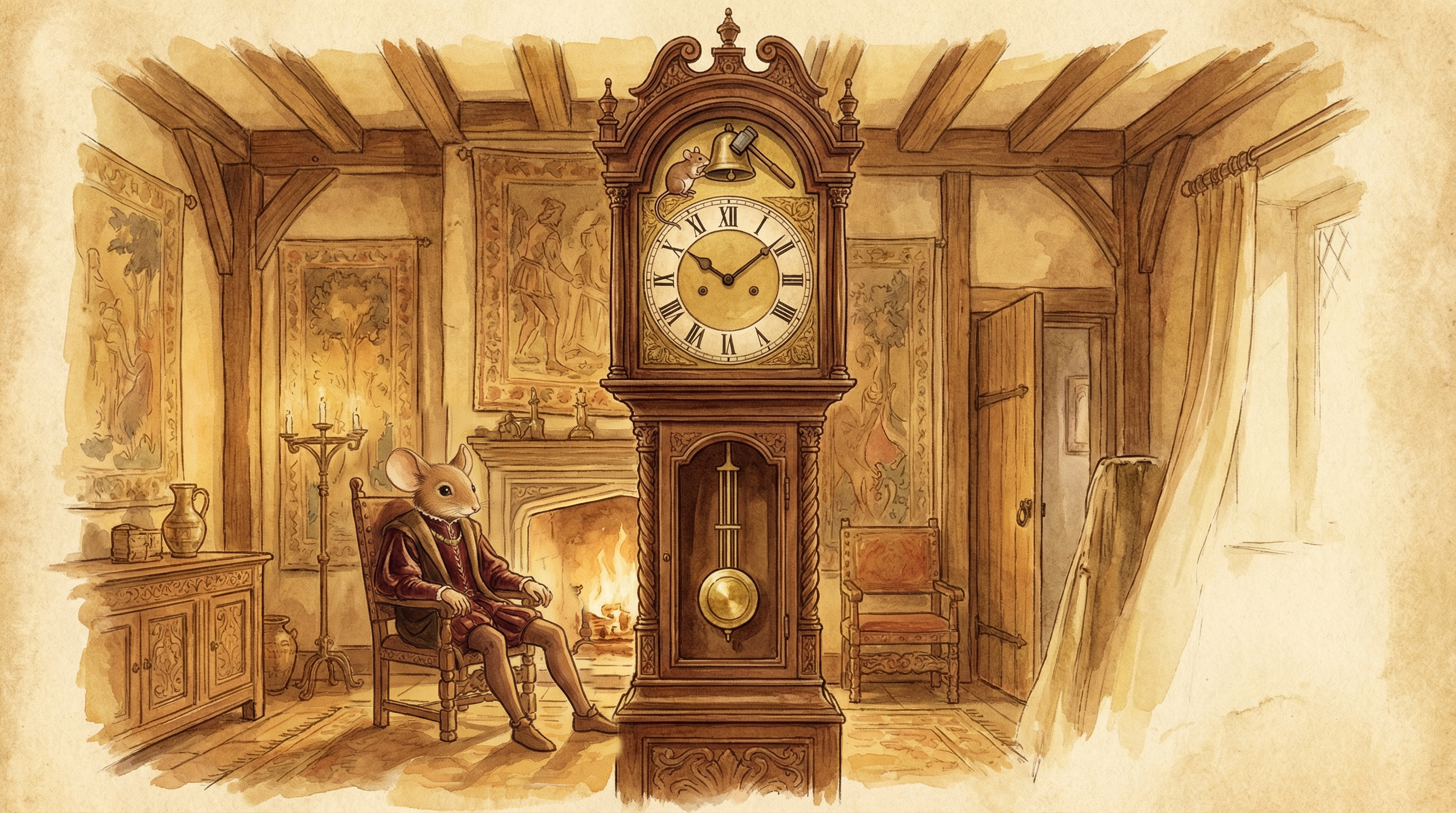
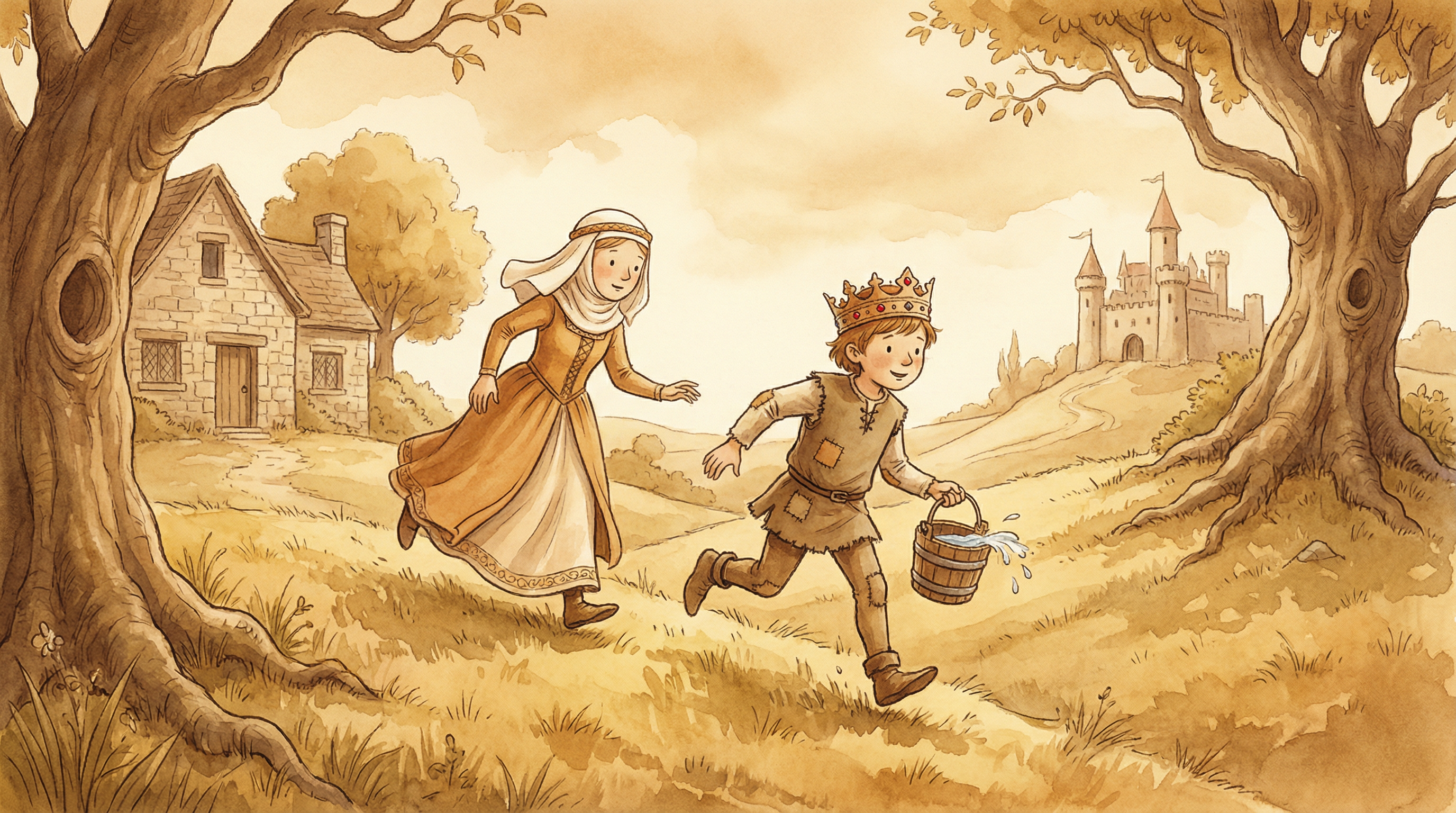
Hark, hark, the dogs do bark,
The beggars are coming to town,
Some in rags and some in jags,
And one in a velvet gown.
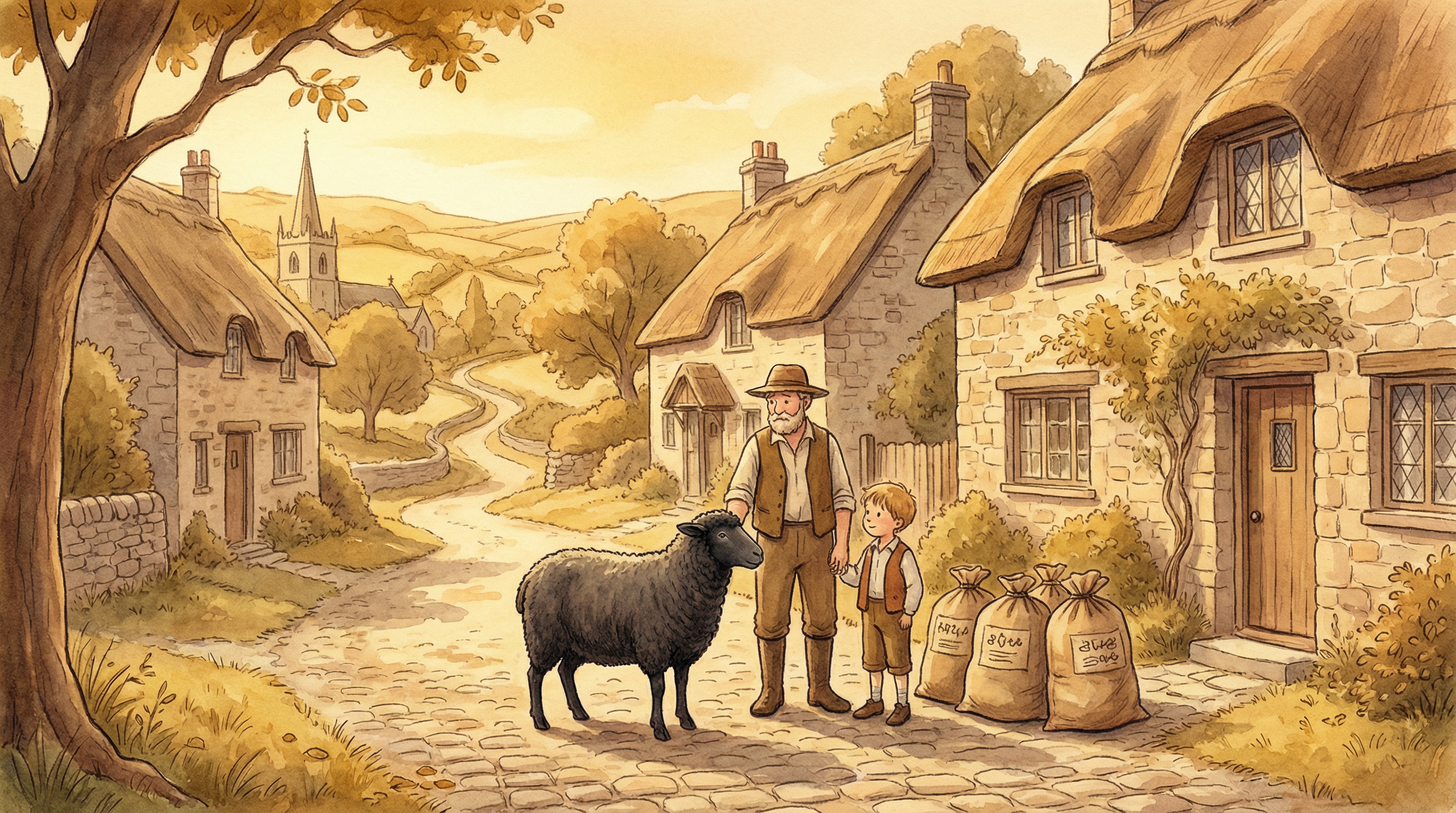
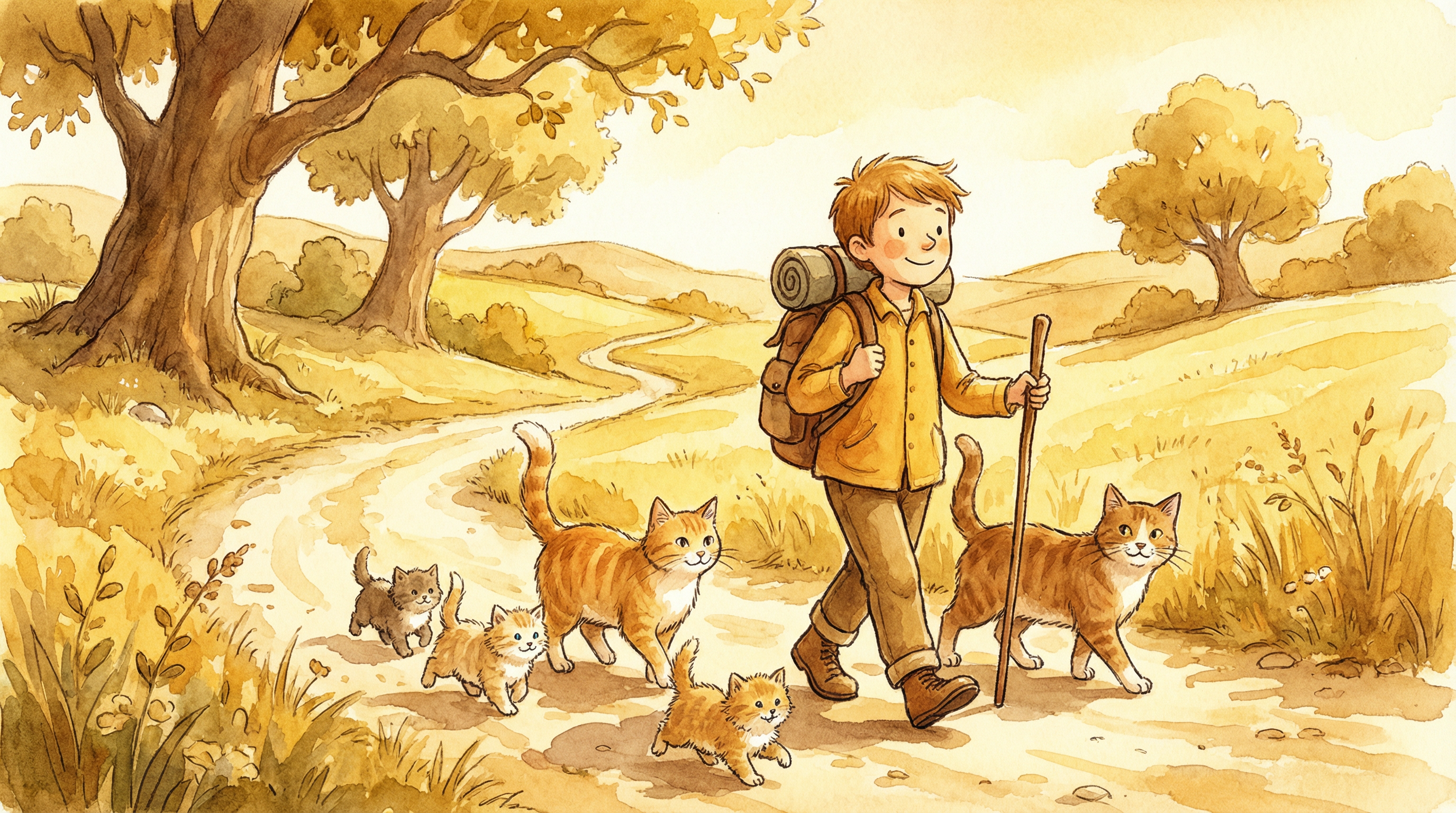
As I was going to St Ives,
I met a man with seven wives,
And every wife had seven sacks,
And every sack had seven cats,
And every cat had seven kits,
Kits, cats, sacks and wives,
How many were going to St Ives?
Heya
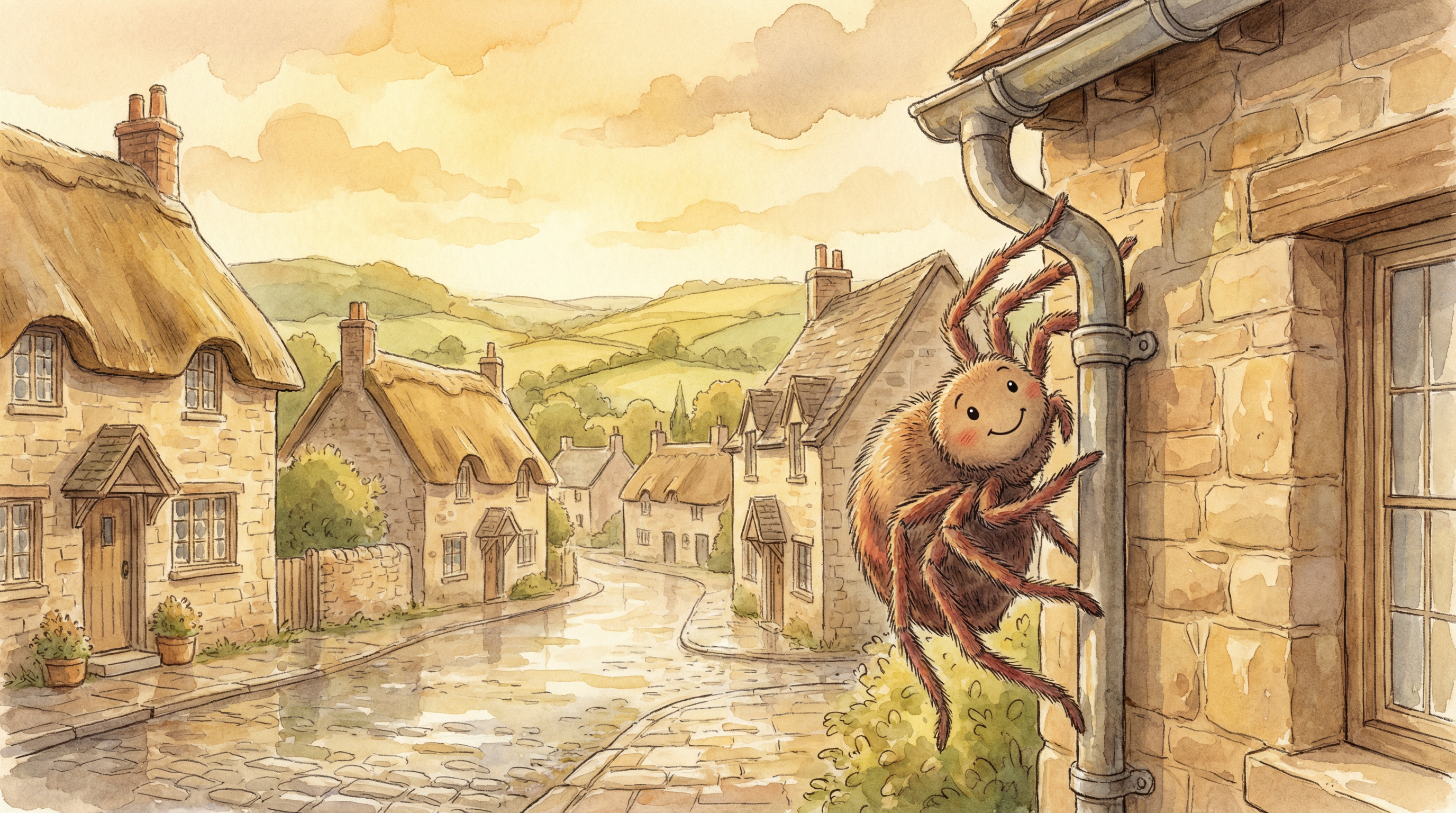
Bless you, bless you Burnie Bee,
Say, when will your wedding be?
If it be tomorrow day,
Take your wings and fly away.
As I was going to St Ives,
I met a man with seven wives,
Every wife had seven sacks,
And every sack had seven cats,
And every cat had seven kits,
Kits, cats, sacks and wives,
How many were going to St Ives?
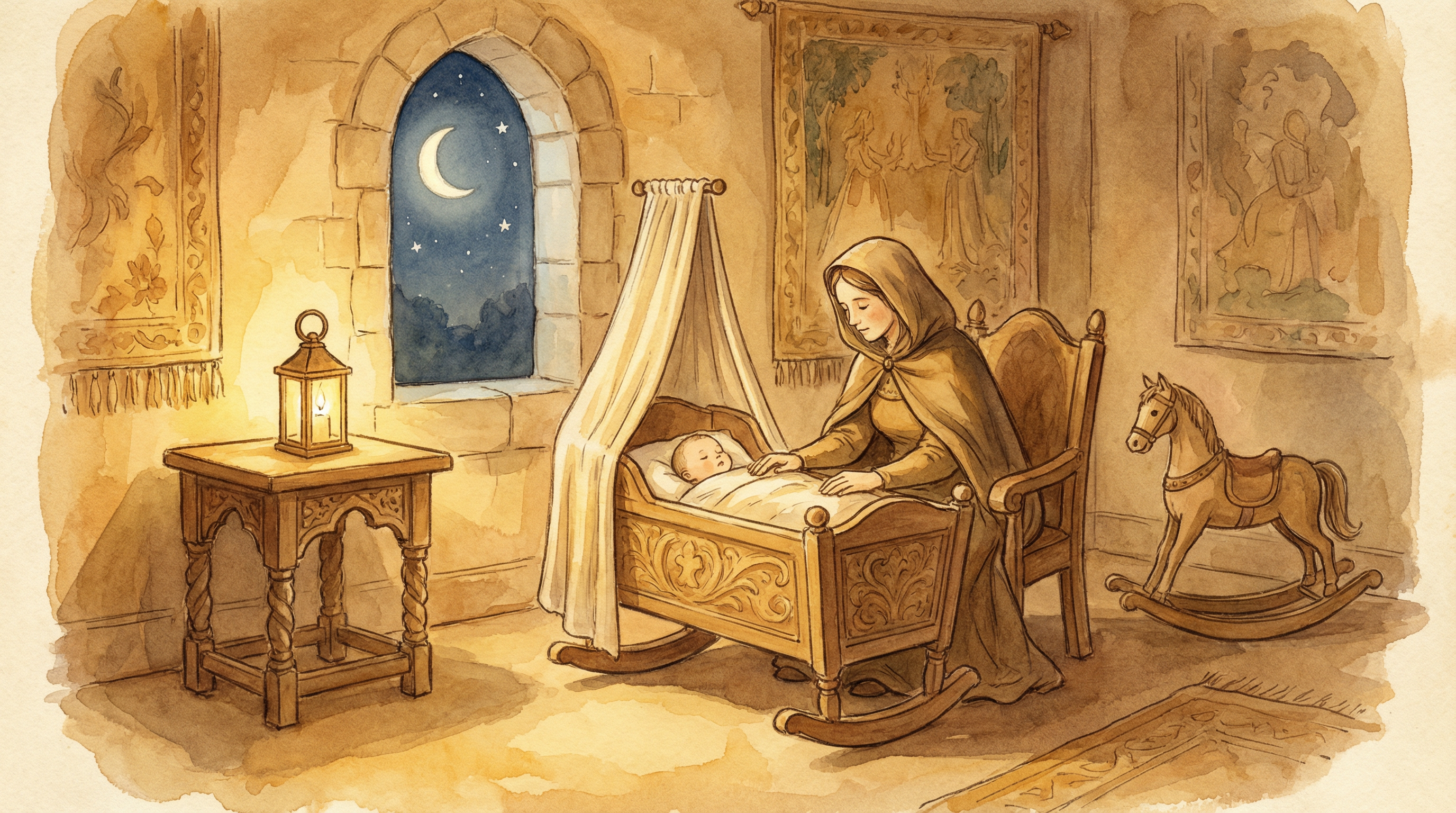
Teddy bear, teddy bear turn around,
Teddy bear, teddy bear touch the ground,
Teddy bear, teddy bear climb the stairs,
Teddy bear, teddy bear say your prayers,
Teddy bear, teddy bear turn out the light,
Teddy bear, teddy bear say ‘Good Night'.
Traditional lyrics — public domain. Arrangement © Singalongasong Band / ClassicRocks.
History & Background
History & Origin
As I Was Going to St Ives is one of the oldest and cleverest riddle rhymes in the English language. The earliest known printed version appears in a manuscript dated to around 1730, though its oral origins are likely considerably older.
The riddle runs as follows: the narrator, going to St Ives, meets a man with seven wives; each wife has seven sacks; each sack has seven cats; each cat has seven kits. The question: how many were going to St Ives? The answer, which catches many people out, is simply one — only the narrator was going to St Ives. The man with the wives, sacks, cats and kits was going in the opposite direction.
The rhyme belongs to a long mathematical tradition of problems involving exponential multiplication — 7 x 7 x 7 x 7 gives 2,401 kits alone — designed to lead the listener into elaborate mental arithmetic before revealing that none of it was necessary. The same type of puzzle appears in ancient Egyptian mathematical papyri, suggesting that the pleasure of this particular kind of misdirection is as old as mathematics itself. Which St Ives is referenced — there are several in England and one in Scotland — remains delightfully unresolved.