Listen
Arrangement: Ian J. Watts / Mike Wilbury · Singalongasong Band / ClassicRocks
Lyrics
Alouette, gentille Alouette
Alouette je te plumerai
Je te plumerai la tête
Je te plumerai la tête
Et la tête, (et la tête)
Et la tête, (et la tête)
O-o-o-o-oh
Alouette, gentille Alouette
Alouette je te plumerai
Traditional lyrics — public domain. Arrangement © Singalongasong Band / ClassicRocks.
History & Background
History & Origin
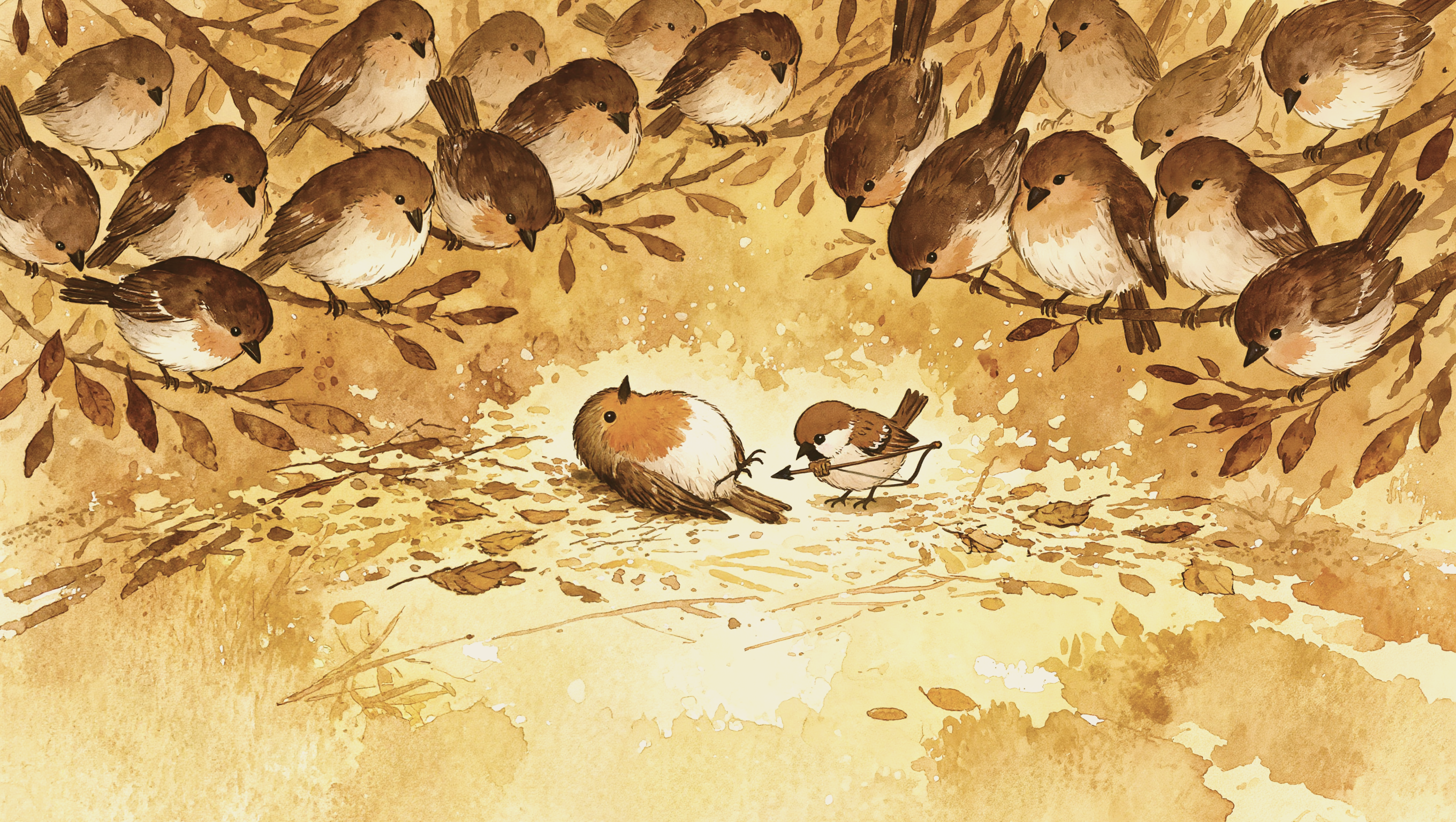
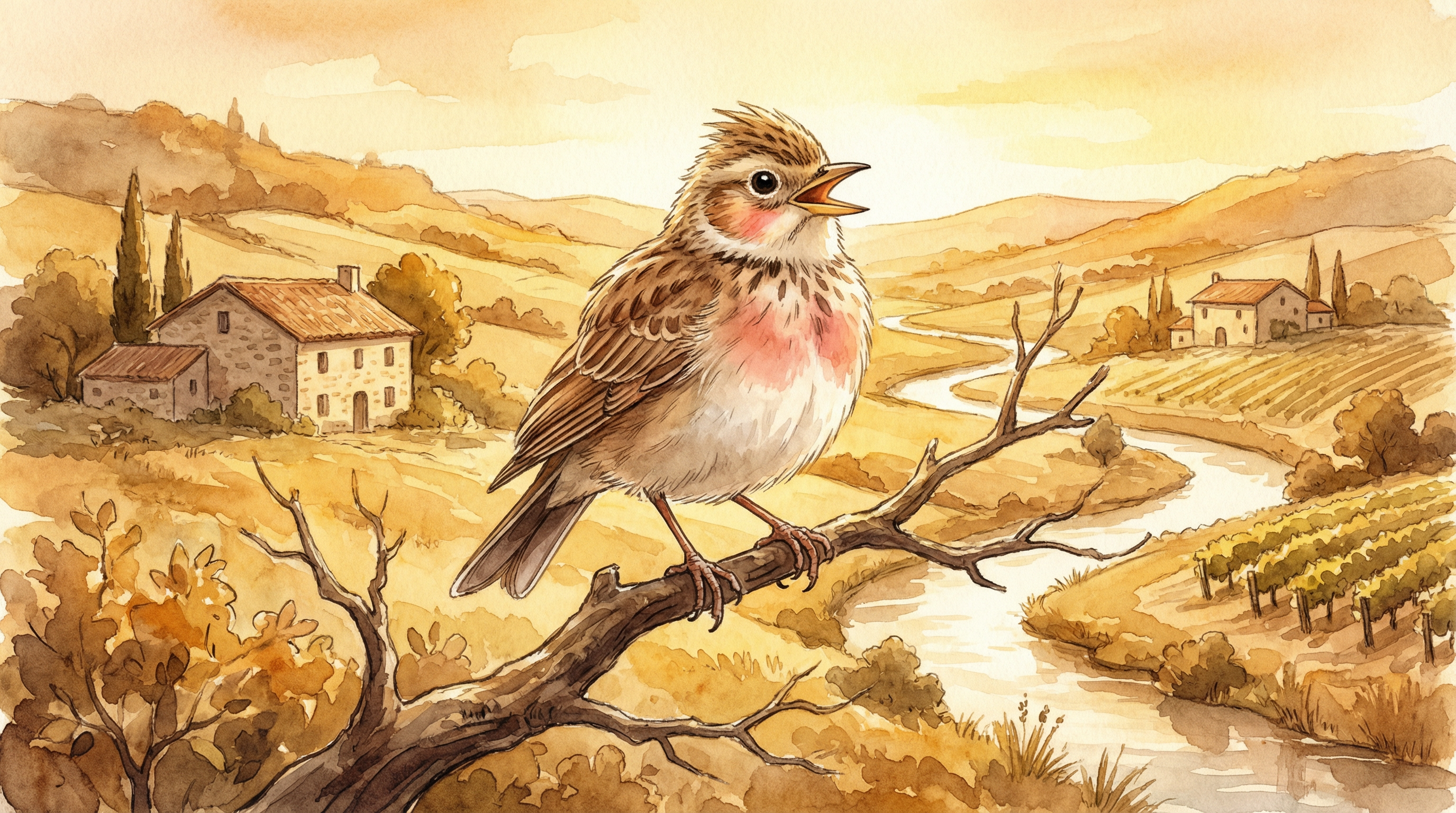
Alouette is one of the most widely recognised French-language children's songs in the world, familiar to generations of children across Canada, France, and far beyond. The word alouette means skylark, and the song describes, in cheerful accumulating detail, the plucking of the bird's feathers — head, beak, neck, back and so on, each verse adding a new element.
The song's origins are uncertain. It is thought to have developed in French-Canadian oral tradition, possibly brought over from France by early settlers, though no definitive date or composer has been established. It was certainly well established in Quebec by the 19th century, and became widely known internationally through the French-Canadian folk revival of the 20th century.
Despite its somewhat gruesome subject matter — which has surprised many English-speaking parents hearing the French words explained for the first time — Alouette is universally beloved as a camp and playground song. Its cumulative structure, building verse upon verse with each new body part repeated from the beginning, makes it an excellent memory song and a firm favourite for group singing. It is one of those songs that, once learned, is essentially impossible to forget.